
Minecraft Malware Loader Uses RSA-Signed Smart Contract Updates for Persistent C2


 8 min. read
  Published on
A Minecraft malware loader known as LoaderClient is using Ethereum smart contracts and RSA-signed updates to keep its command-and-control infrastructure alive. The loader spreads through fake Minecraft Fabric mods and works as an entry point for the broader WeedHack malware-as-a-service campaign.
The campaign targets players who download unofficial mods, clients, and game utilities from YouTube links, fake mod portals, and search results. According to McAfee Labs, WeedHack has already affected more than 116,000 users and continues to generate thousands of new hits each day.

Access content across the globe at the highest speed rate.
🔥 Save 81% + 2 bonus months! 🔥
70% of our readers choose Private Internet Access
70% of our readers choose ExpressVPN
2
Browse the web from multiple devices with industry-standard security protocols.
🔥 Save 73%! 🔥

Faster dedicated servers for specific actions (currently at summer discounts)
🔥 Save 69%! 🔥
Newer LoaderClient variants raise the risk because they do not rely only on hardcoded web domains. Researchers at PolySwarm said the malware uses EtherHiding techniques and Ethereum smart contracts to retrieve active C2 infrastructure, while validating responses with RSA signatures.
What LoaderClient does after infection
LoaderClient first appears as a normal Minecraft Fabric mod. Once the player launches Minecraft with the infected mod installed, the loader can collect Minecraft session details, including the display name, account UUID, and access token.
That token theft matters because it can give attackers access to a player’s account session without needing the victim’s password. If the same device stores browser credentials, Discord tokens, cryptocurrency wallets, or other session data, the impact can spread beyond Minecraft.
The broader WeedHack ecosystem includes free and paid tiers. The premium version adds stronger remote-access features, including webcam access, keylogging, screen sharing, and file control, according to McAfee’s WeedHack report.
How RSA-signed smart contract C2 works
The most unusual part of LoaderClient is its command-and-control design. Instead of storing one fixed server address inside the malware, the loader can query an Ethereum smart contract to obtain the current C2 URL.
A technical analysis of WeedHack LoaderClient describes a newer version that adds an Ethereum RPC fallback, RSA-signed updates, and JNIC native obfuscation. This makes the loader harder to break by taking down a single domain.
The smart contract can act like a public dead drop. The attacker updates the C2 location through the blockchain, and the malware checks whether the returned data carries a valid RSA signature before trusting it.
| Technique | Purpose | Impact on defenders |
|---|---|---|
| Ethereum smart contract lookup | Stores or retrieves the active C2 location | Domain takedowns become less effective |
| RSA signature validation | Checks that the C2 update came from the operator | Sinkholing becomes harder |
| JNIC native obfuscation | Moves key logic into native code | Java decompilation gives less visibility |
| In-memory payload loading | Runs later-stage code without a normal file drop | File-based detection becomes weaker |
Why the malware is difficult to disrupt
Traditional malware takedowns often target domains, hosting accounts, or servers. LoaderClient’s blockchain fallback changes that model because the contract can remain visible even if several domains disappear.
The Cyber Security News report said LoaderClient retrieves a URL from an Ethereum smart contract and verifies it against a hardcoded 2048-bit RSA public key. Only the attacker’s private key can produce a valid update for the loader to accept.
This does not make the malware impossible to detect. It does mean defenders need to watch more than domains. Network teams should also monitor suspicious Ethereum RPC traffic, unusual DNS-over-HTTPS activity, and unexpected Java behavior on gaming or student devices.
How WeedHack spreads through Minecraft communities
The campaign relies heavily on social engineering. Attackers publish videos that appear to show useful Minecraft mods, cheats, or utilities, then place download links in descriptions or comments.
Researchers also observed fake portals that imitate trusted mod sites and use search engine poisoning to appear credible. This works because many players already expect mods to trigger warnings, so some ignore antivirus alerts and run the files anyway.
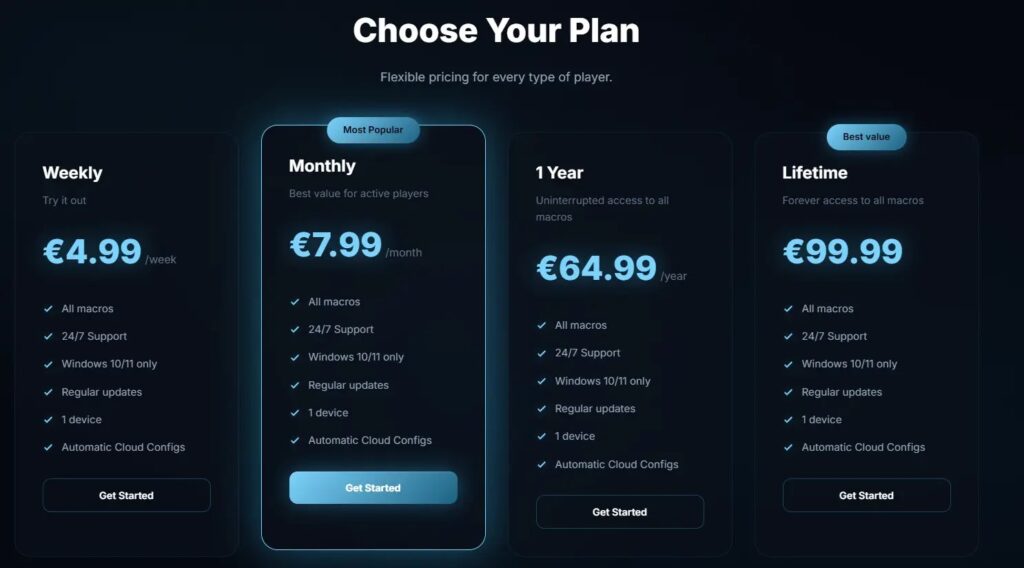
PolySwarm’s WeedHack analysis said researchers identified more than 3,820 malicious JAR files and more than 240 distribution URLs linked to the ecosystem. It also said operators claim subscriptions start at $5 per month.
What data can be stolen?
LoaderClient and the WeedHack payload chain focus on credentials, sessions, and remote access. The exact capabilities can vary by version and operator tier, but the campaign goes well beyond a simple game account stealer.
- Minecraft session data and account identifiers
- Microsoft OAuth access tokens used by the Minecraft session
- Browser credentials and cookies
- Discord tokens and gaming account data
- Cryptocurrency wallet data
- Screenshots and system information
- Remote access features in paid builds
For affected players, the fastest response is to remove the malicious mod, scan the device, reset passwords from a clean device, and review Microsoft account security. Minecraft’s official support page for compromised Microsoft accounts directs users to Microsoft’s account recovery process when they believe someone else gained access.
Defensive steps for players, parents, and schools
Players should avoid downloading mods from YouTube descriptions, Discord messages, random file hosts, or newly created clone sites. The safest path is to use well-known mod platforms and check project history, publisher reputation, comments, and update timing before installing anything.
Parents and schools should treat Minecraft mod malware as more than a gaming problem. A compromised home or classroom computer can expose passwords, browser sessions, camera access, and personal files.
- Remove suspicious Minecraft mods and launchers immediately.
- Run a full security scan from a trusted protection tool.
- Change Microsoft, Discord, email, and gaming passwords from a clean device.
- Review account recovery email addresses, phone numbers, and recent sign-in activity.
- Revoke active sessions where possible, especially for work or school accounts.
- Block suspicious Ethereum RPC and DNS-over-HTTPS traffic on managed networks.
- Watch for unknown scheduled tasks, startup entries, and Defender exclusions.
Indicators defenders should monitor
Security teams should avoid relying on one indicator because LoaderClient can rotate infrastructure. The Ethereum contract address, suspicious Java package names, JNIC artifacts, unusual scheduled tasks, and unexpected RPC traffic may provide more durable signals.
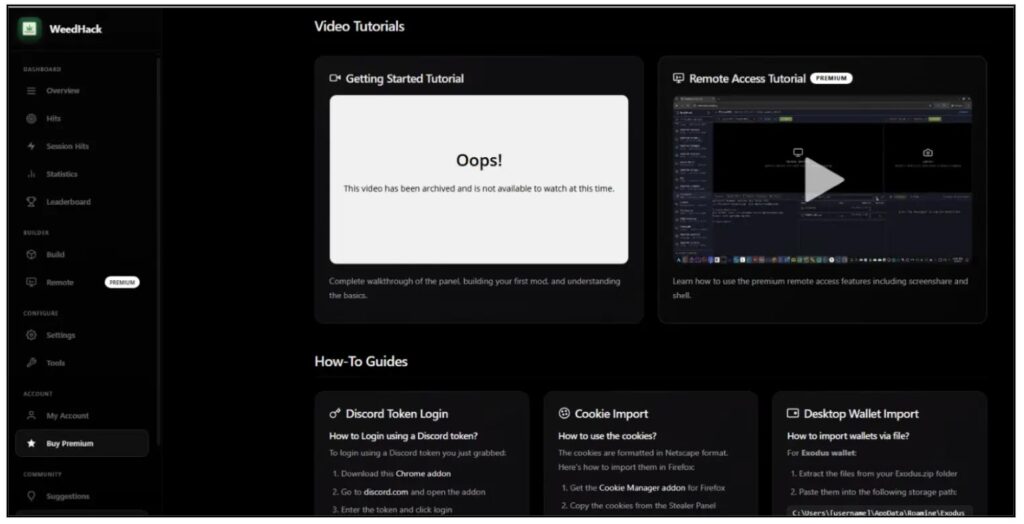
The public WeedHack technical analysis lists package names, JNIC resource paths, YARA rules, and blockchain C2 behavior that defenders can use for hunting. These indicators can help identify infected Minecraft mod folders and later-stage payload activity.
| Indicator type | Example to review | Why it matters |
|---|---|---|
| Ethereum contract | 0x1280a841Fbc1F883365d3C83122260E0b2995B74 | Used as a C2 resolution point in reported activity |
| Scheduled task | JMonitoringTask | Reported watchdog persistence task |
| Scheduled task | JavaSecurityUpdater | Reported login persistence task |
| JAR package | me/mclauncher/ | Observed in LoaderClient stage-one samples |
| JNIC package | dev/jnic/lXpXvp | Linked to newer JNIC-obfuscated loader variants |
| File extension | .acdm | Reported custom configuration file extension |
Why businesses should care about Minecraft malware
At first glance, a fake Minecraft mod may look like a consumer issue. In practice, the same infected laptop can hold browser sessions for work email, cloud dashboards, VPN portals, developer tools, or cryptocurrency accounts.
Organizations that allow unmanaged devices, student laptops, or bring-your-own-device access should include gaming malware in their endpoint risk planning. Blocking suspicious blockchain RPC activity on networks where Minecraft has no business purpose can reduce one path used by this campaign.
The latest LoaderClient findings show how gaming-focused malware now borrows techniques from more advanced threat operations. For users, the rule is simple: treat mod downloads like software installs, not like harmless game files.

Enterprise incident responders can also use Microsoft’s guidance to revoke user access in an emergency when a work or school account may have been exposed. For personal players, the Minecraft account recovery guidance remains the right starting point.
If a corporate Microsoft Entra account could be involved, administrators should disable the affected account, revoke sessions, reset credentials, and review recent sign-ins. Microsoft’s emergency access revocation guidance explains how Entra ID admins can cut off active sessions during an incident.
FAQ
LoaderClient is a malicious Minecraft Fabric mod loader linked to the WeedHack malware-as-a-service campaign. It can steal Minecraft session data and help deliver additional payloads.
Newer LoaderClient variants can query an Ethereum smart contract to retrieve the current command-and-control address. The malware checks the returned data with an RSA signature before trusting it.
RSA-signed updates make it harder for defenders to hijack or sinkhole the malware’s command channel. The loader accepts updates only when they carry a signature that matches the embedded public key.
WeedHack spreads through fake Minecraft mods, unofficial clients, YouTube download links, counterfeit mod portals, and search engine poisoning. Players often run the malware because they think warnings are false positives.
Users should remove the mod, scan the system, change passwords from a clean device, review Microsoft account activity, sign out active sessions where possible, and check for suspicious startup tasks or Defender exclusions.


Read our disclosure page to find out how can you help VPNCentral sustain the editorial team Read more


Improve this guide


User forum
0 messages