
Hugo Boss Investors Shun Frasers Group’s €2.7 Billion Takeover Bid


 10 min. read
  Published on
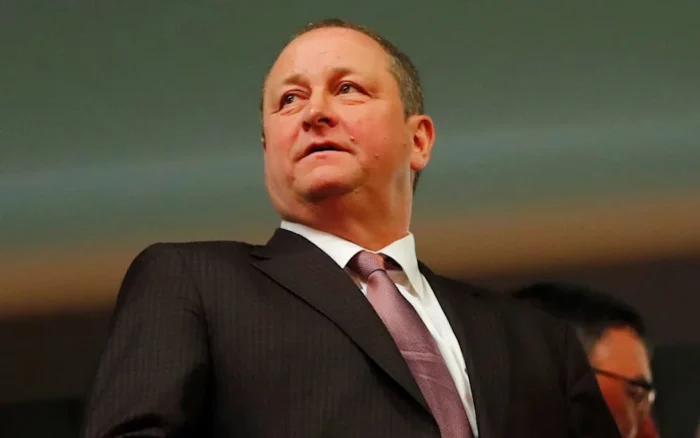
Hugo Boss shareholders have shown limited interest in Frasers Group’s €38-per-share takeover offer, leaving Mike Ashley’s retail group with acceptances covering only a small portion of the German fashion company’s independent shares.
Frasers controlled approximately 30.3% of Hugo Boss when the initial offer period ended on July 27. Additional acceptances lifted its total position to about 37.6%, meaning investors representing roughly 7.3% of Hugo Boss shares accepted the cash proposal during the first period.

Access content across the globe at the highest speed rate.
70% of our readers choose Private Internet Access
70% of our readers choose ExpressVPN

Browse the web from multiple devices with industry-standard security protocols.

Faster dedicated servers for specific actions (currently at summer discounts)
The British retail group has now opened an additional acceptance period running until August 13, 2026. The bid has no minimum acceptance condition, so Frasers can retain shares tendered under the offer even without securing majority control.
Hugo Boss shareholders give Frasers limited support
Frasers launched its voluntary takeover offer in June after steadily increasing its exposure to Hugo Boss. It offered €38 in cash for each outstanding share, valuing the entire German company at approximately €2.7 billion.
The offer covers shares that Frasers does not already own and would require close to €2 billion if every remaining investor accepted. Frasers has described the price as final, limiting its ability to raise the bid unless certain takeover rules allow an exception.
An update on the Hugo Boss offer confirmed that the additional acceptance period would run from July 31 until August 13.
| Offer detail | Current position |
|---|---|
| Offer price | €38 per Hugo Boss share |
| Implied company valuation | Approximately €2.7 billion |
| Frasers’ pre-acceptance holding | Approximately 30.3% |
| Total position after initial acceptances | Approximately 37.6% |
| Initial offer deadline | July 27, 2026 |
| Additional acceptance deadline | August 13, 2026 |
| Minimum acceptance threshold | None |
Hugo Boss rejected the €38 offer
Hugo Boss’s management and supervisory boards unanimously advised shareholders not to accept the proposal. They argued that the €38 price failed to reflect the company’s long-term prospects and potential value under its existing strategy.
The fashion group said the bid was financially inadequate and did not provide a sufficient premium for transferring control. The price was also close to the minimum level Frasers had to offer under German takeover rules after increasing its shareholding.
In its formal response to the Frasers takeover bid, Hugo Boss told investors that remaining independent offered greater value-creation potential.
- The €38 price did not adequately value Hugo Boss’s prospects.
- The offer included no meaningful control premium, according to the company.
- The boards unanimously recommended that investors reject it.
- Hugo Boss said its existing strategy could create greater long-term value.
- The company questioned the strategic benefits for its shareholders.
Why did Frasers cross the 30% threshold?
Frasers has held an investment in Hugo Boss since 2020 and gradually increased its economic exposure through direct share purchases and financial instruments.
German takeover rules generally require an investor that gains control of more than 30% of a listed company’s voting rights to make an offer to remaining shareholders. Frasers moved above that threshold after acquiring additional shares in July.
The group’s offer had already been presented as a voluntary bid before it crossed 30%. The larger shareholding strengthened Frasers’ position but did not automatically give it full operational control of Hugo Boss.
EU clearance removes the final offer condition
The European Commission approved the proposed transaction after concluding that it would not create significant competition concerns. Frasers and Hugo Boss overlap in premium clothing, footwear, and accessories, but their combined market shares remain limited.
Following the decision, Frasers declared the offer unconditional. Shareholders who accept during the additional period can therefore expect the transaction to proceed under the published terms, subject to the settlement process.
The EU approval of Frasers’ Hugo Boss bid removed the last outstanding regulatory condition attached to the offer.
| Requirement | Status |
|---|---|
| European Commission clearance | Received |
| Minimum shareholder acceptance | Not required |
| Offer price increase | Frasers says €38 is final |
| Hugo Boss board support | Not received |
| Majority ownership | Not yet secured |
What the low acceptance level means
The initial result suggests that most independent shareholders do not consider €38 sufficient compensation for selling their shares. Some may agree with Hugo Boss that the price undervalues the company, while others may expect Frasers to increase its influence without completing a full takeover.
The result does not prevent Frasers from becoming a more powerful shareholder. A position approaching 40% could give it significant influence at shareholder meetings, particularly when other investors do not vote.
However, Frasers would still lack an outright majority. It could face opposition from institutional shareholders, Hugo Boss management, and investors supporting the company’s independent turnaround plan.
Could Frasers still take control of Hugo Boss?
Frasers could increase its holding through additional offer acceptances or future share purchases. The absence of a minimum acceptance threshold means the company does not need to abandon the transaction simply because most shareholders rejected it.
Reaching more than 50% would give Frasers majority voting control. A lower holding could still provide substantial influence, but it would not guarantee that the British retailer could pass every shareholder resolution or replace management.
The unconditional offer terms allow Frasers to complete purchases from investors who tender their shares before the extended deadline.
Frasers backs Hugo Boss but seeks greater influence
Frasers has repeatedly said that it supports Hugo Boss’s brand, management team, and broader strategy. The British retailer also sells Hugo Boss products through premium stores such as Flannels and its namesake Frasers department stores.
At the same time, Frasers has pushed for a closer strategic relationship and greater influence over the company. Chief executive Michael Murray, Mike Ashley’s son-in-law, already serves on the Hugo Boss supervisory board.
Reports have suggested that Frasers may eventually want Murray to take a more senior leadership role at the German company. Frasers has not publicly confirmed a plan to appoint him as Hugo Boss chief executive.
Hugo Boss is pursuing its own turnaround
Hugo Boss has faced weaker consumer demand, pressure in China, currency headwinds, and cautious spending in the premium fashion market. These challenges have weighed on its sales outlook and share price.
The company is responding through its Claim 5 Touchdown strategy, which focuses on improving efficiency, managing costs, strengthening the Boss and Hugo brands, and investing in areas with stronger growth potential.
Hugo Boss cited that plan in its recommendation against the takeover offer, arguing that shareholders could benefit more from the strategy than from accepting €38 per share.
- Improve operating efficiency and reduce costs
- Strengthen the Boss and Hugo brand identities
- Focus investment on profitable products and markets
- Expand in womenswear and selected growth categories
- Protect margins during weaker consumer demand
Hugo Boss generated €4.3 billion in 2025 sales
Hugo Boss remains one of Europe’s largest premium fashion companies. It sells products in 128 countries through stores, wholesale partners, and online channels.
The company generated €4.3 billion in sales during the 2025 financial year and employed more than 17,500 people worldwide. The Boss brand remains its primary business, complemented by the younger Hugo label.
An official Hugo Boss company overview states that the group operates around 8,000 points of sale and offers online shopping in 74 markets.
| Hugo Boss company measure | Reported figure |
|---|---|
| 2025 sales | €4.3 billion |
| Employees | More than 17,500 |
| Countries served | 128 |
| Points of sale | Approximately 8,000 |
| Online markets | 74 |
| Main brands | Boss and Hugo |
Mike Ashley continues expanding his retail empire
Mike Ashley founded Sports Direct in 1982 and built it into one of Britain’s largest sporting goods businesses. The group later acquired House of Fraser and changed its corporate name to Frasers Group in 2019.
The company now owns or controls brands including Sports Direct, Flannels, House of Fraser, Jack Wills, Evans Cycles, and GAME. It has also accumulated investments in several listed retailers and fashion companies.
Frasers has often used minority stakes to build commercial relationships, seek board influence, or prepare for larger transactions. Its Hugo Boss investment represents one of its most ambitious moves into premium international fashion.
Michael Murray plays a central role in the strategy
Michael Murray became Frasers Group chief executive in 2022, replacing Ashley in the operating role. Ashley remains the company’s controlling shareholder and an influential figure in its strategic decisions.
Murray has led Frasers’ elevation strategy, which aims to move the business toward premium brands, improved stores, stronger online operations, and closer relationships with major suppliers.
A larger Hugo Boss holding could strengthen this strategy by giving Frasers a closer relationship with a global premium fashion manufacturer. It could also create tension if the two companies disagree over leadership, dividends, investment, or strategic priorities.
What happens before August 13?
Hugo Boss shareholders who did not accept during the initial period can tender their shares during the additional acceptance period. They will receive €38 per share under the same core offer terms.
Investors can also keep their shares and remain Hugo Boss shareholders. Those who do so face uncertainty over the company’s ownership structure, Frasers’ future intentions, and the success of Hugo Boss’s turnaround strategy.
Frasers cannot easily withdraw an unconditional offer, but it may finish the process without majority control. The final acceptance result will show whether the additional period attracts significantly more support than the first.
Why Hugo Boss investors may continue rejecting the bid
The offer provides cash certainty, but it gives investors little premium over the share price around the time of the bid. Shareholders who believe Hugo Boss can recover may see more value in remaining invested.
The board’s unanimous rejection also gives institutional investors a clear reason to resist the proposal. Hugo Boss argues that its brands, international distribution, and turnaround potential justify a valuation above €38 per share.
EU approval does not determine whether the offer price represents good value. As the regulatory clearance report confirms, the Commission examined competition concerns rather than the financial attractiveness of the bid.
Frasers gains influence even without a full takeover
The weak acceptance level represents a setback for Frasers’ attempt to secure broader shareholder support. It does not leave the company empty-handed.
A stake of approximately 37.6% makes Frasers by far the most influential Hugo Boss shareholder. The position could allow it to shape important votes, challenge management decisions, and seek further board representation.
Hugo Boss will now need to convince investors that its independent strategy can deliver stronger results. Frasers, meanwhile, must decide whether to remain a powerful minority investor or continue pursuing control after the takeover process ends.
Final outlook
The first acceptance result shows that Hugo Boss investors largely agree with the company’s view that €38 per share undervalues the fashion group. Only a limited number of independent shareholders supported Frasers during the initial period.
The additional acceptance window gives Frasers another opportunity to increase its holding, but securing majority ownership may remain difficult without a higher price. Frasers has already said that its offer is final.
Hugo Boss’s €4.3 billion in annual sales, international reach, and premium brands explain why Frasers wants greater influence. The company’s global business profile also explains why shareholders may hesitate to sell at a price the board considers inadequate.
FAQ
Frasers Group offered €38 in cash for each Hugo Boss share. The offer values the entire company at approximately €2.7 billion.
Acceptances during the initial offer period represented approximately 7.3% of Hugo Boss shares. Combined with Frasers’ existing holding, this gave the group control or acceptances covering about 37.6%.
The additional acceptance period is scheduled to end on August 13, 2026. Eligible shareholders can tender their shares during this period.
Hugo Boss said the €38-per-share offer was financially inadequate and did not properly reflect the company’s standalone prospects or long-term value-creation potential.
No. Frasers has a substantial position of approximately 37.6%, including accepted shares, but it has not secured more than 50% of the voting rights.


Read our disclosure page to find out how can you help VPNCentral sustain the editorial team Read more


Improve this guide


User forum
0 messages