
VPNs in 2026: Transparency, Speed, and Everyday Security


 5 min. read
  Updated on
Introduction: Why VPNs Matter More Than Ever
Virtual Private Networks (VPNs) have moved far beyond their niche beginnings. What was once a tool for tech enthusiasts and privacy activists is now a mainstream service used by millions worldwide. In 2025, VPNs are no longer optional add-ons; they are woven into daily digital life.
This shift is driven by three key forces:

Access content across the globe at the highest speed rate.
🔥 Save 81% + 2 bonus months! 🔥
70% of our readers choose Private Internet Access
70% of our readers choose Private Internet Access
2
Browse the web from multiple devices with industry-standard security protocols.
🔥 Save 73%! 🔥

Faster dedicated servers for specific actions (currently discounted)
🔥 Save 69%! 🔥
- Transparency: users want proof, not promises, about privacy and service policies.
- Protocol innovation: modern tunneling standards are replacing legacy technology for speed and security.
- Everyday relevance: VPNs remain vital despite predictions that new enterprise security models would replace them.
This article looks at these trends, highlighting how well-known providers such as NordVPN and Surfshark set benchmarks, while other services, including X-VPN, show how accessibility and clarity keep VPNs approachable for everyday people.
1. Transparency: Trust Through Openness
From “No-Logs” to Verified Claims
A few years ago, VPN marketing often relied on bold claims like “no-logs guaranteed.” But modern users have become more cautious. With growing regulatory attention and awareness of privacy risks, people want evidence, not slogans.
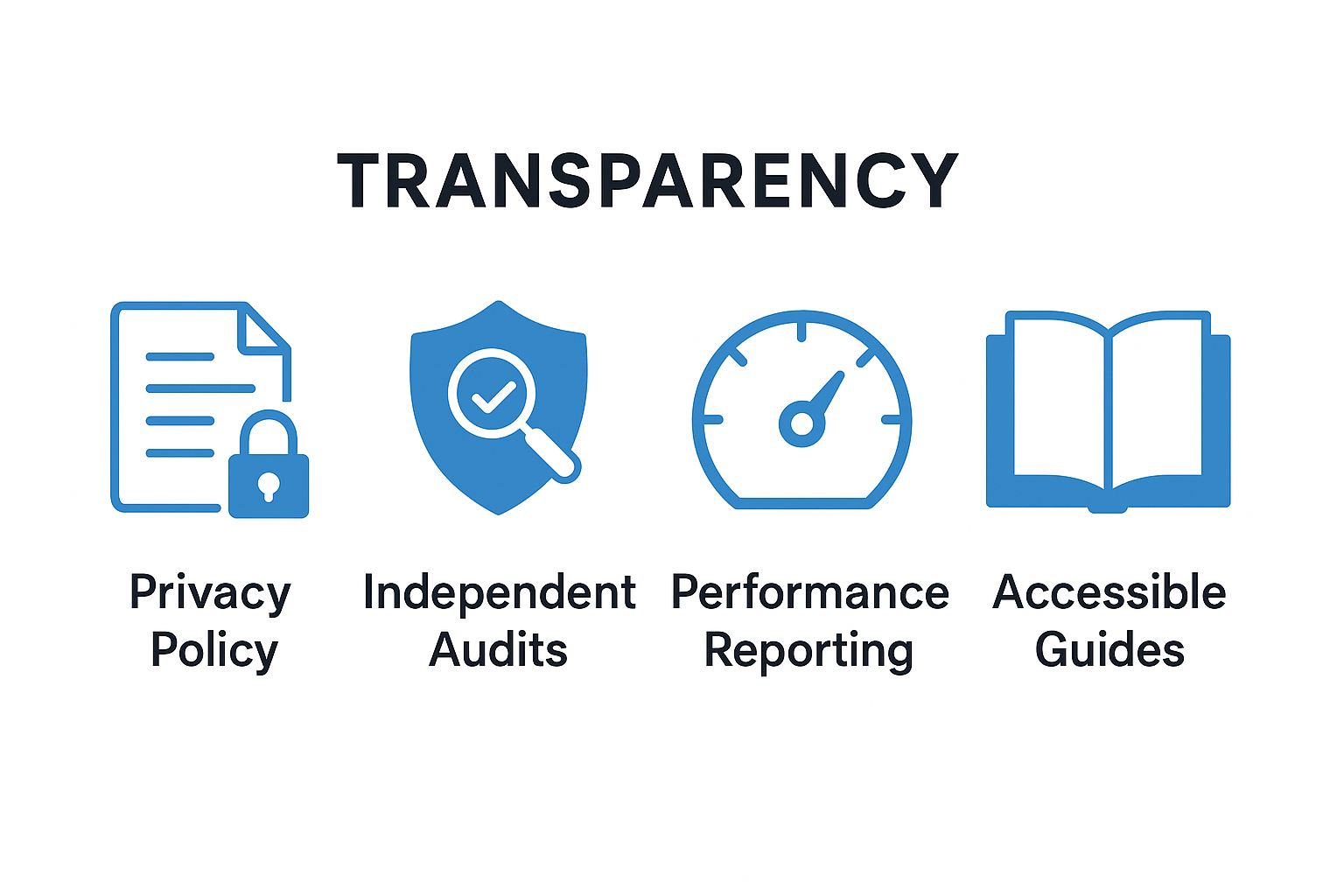
- Independent audits: Leading VPNs such as NordVPN and Surfshark have commissioned third-party audits of their no-logs policies and server infrastructure. This independent verification helps users trust that the company is doing what it says.
- Clearer privacy policies: Legal language buried in long documents is no longer enough. Providers that explain how they handle user data in plain English stand out.
- Transparent performance reporting: Some VPNs now publish independent speed test results, server distribution details, or even infrastructure ownership disclosures.
Why It Matters for Users
Transparency builds confidence. When users know how their data is treated, what protocols are used, and what limitations exist, they can make informed choices instead of relying on marketing.
The Role of Accessibility
Not every VPN user is a security expert. Some providers make transparency approachable, turning complex concepts into simple guides. For example, X-VPN offers easy-to-understand resources like Do I Need a VPN?, which explains everyday benefits in plain language. This helps newcomers see how a VPN fits into their lives without overwhelming technical jargon.
2. Protocol Innovation: Beyond OpenVPN
The Legacy of OpenVPN
For nearly two decades, OpenVPN was the industry’s backbone. It provided robust encryption and wide compatibility, and it remains respected today. But it was designed for a different era, one without 4K video streaming, cloud gaming, or hybrid remote work. As internet demands grew, OpenVPN’s heavier structure often meant slower connections.
The Rise of WireGuard
Enter WireGuard, a modern VPN protocol introduced in 2016 and rapidly adopted in the years since. Its advantages are well-documented:
- Performance: WireGuard is lightweight, enabling faster speeds and lower latency.
- Security: The codebase is small and easier to audit, reducing the likelihood of hidden vulnerabilities.
- Simplicity: Easier configuration makes it more reliable across devices.
Industry leaders embraced this shift:
- NordVPN launched NordLynx, its custom implementation of WireGuard, to combine speed with enhanced privacy.
- Surfshark rolled out WireGuard support across platforms, improving performance for streamers and gamers.

Other providers followed suit. X-VPN publishes resources like What Is WireGuard?, making the technology more understandable for users. This educational approach reflects a broader industry trend: innovation is not only about building features but also about helping people use them effectively.
3. VPNs in Everyday Life: Still Essential
Predictions vs. Reality
Some analysts suggested that enterprise adoption of Zero Trust security models, which focus on identity-based access rather than network-based security, would make VPNs obsolete. In reality, the opposite has happened.
- Enterprise adoption remains strong: Businesses still rely on VPNs as a straightforward way to secure remote connections, especially for small and mid-sized organizations.
- Consumer use keeps growing: VPNs are now mainstream tools for ordinary internet users.
How People Actually Use VPNs in 2025
- Public Wi-Fi security: VPNs protect sensitive data in airports, hotels, and cafés.
- Streaming and global content: They help bypass regional restrictions to access shows, sports, and platforms worldwide.
- Privacy and tracking resistance: VPNs limit ISP tracking and reduce exposure to advertisers.
- Travel and pricing: Some users leverage VPNs to avoid regional price discrimination on flights or subscriptions.
Accessibility as a Differentiator
Ease of use has become just as important as speed and privacy. Many people want click-and-go simplicity rather than complex settings. Tools like X-VPN show how a focus on user-friendly design makes VPNs approachable to newcomers while still delivering essential protections.
4. The VPN Standard in 2025
VPNs are no longer judged solely on whether they “work.” Users expect a balance of trust, performance, and accessibility.
- Transparency is the foundation. Independent audits and clear policies are becoming the industry norm.
- Protocol innovation ensures VPNs keep pace with modern internet usage. WireGuard and other new approaches are redefining speed and reliability.
- Every day relevance keeps VPNs indispensable. Whether it’s businesses protecting remote workers or individuals watching shows abroad, VPNs are still part of the digital routine.
Providers like NordVPN and Surfshark demonstrate how large players raise standards with audits and technical advancements. At the same time, services such as X-VPN remind us that simplicity and clarity are also essential. Many users don’t need advanced custom setups — they just want privacy protection that works in daily life.
Conclusion: A Smarter Way to Stay Private Online
The VPN industry in 2025 is more mature, more competitive, and more important than ever. For users, the key takeaway is simple:
Choose a VPN that proves its trustworthiness, embraces modern protocols, and delivers everyday usability.
For some, that may mean opting for feature-rich giants like NordVPN or Surfshark. For others, it may mean choosing straightforward tools like X-VPN, which make privacy protection easier to understand and use.
Either way, VPNs remain essential, not just for tech enthusiasts but for anyone who values privacy, security, and freedom online.


Read our disclosure page to find out how can you help VPNCentral sustain the editorial team Read more


Improve this guide




User forum
0 messages