
China-Linked UNC3886 Targets Singapore Telecom Sector in Global Cyber Espionage Campaign


 5 min. read
  Updated on
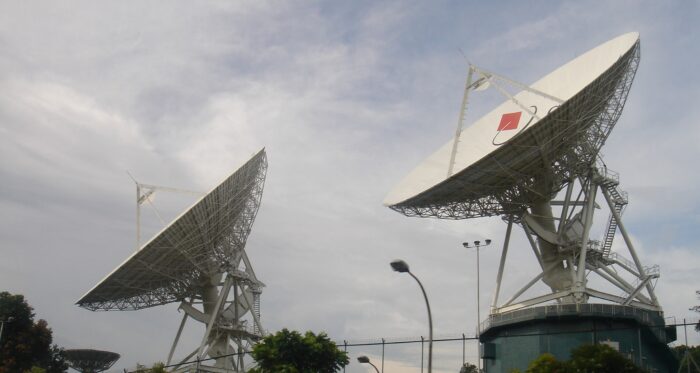
According to Cyber Security of Singapore & Reuters, China-linked threat actor UNC3886 has conducted a deliberate cyber espionage campaign against Singapore’s telecommunications sector, targeting all four major telecom operators. Authorities confirmed the attacks were sophisticated, long-running, and focused on gaining persistent access to critical infrastructure systems.
Singapore’s Cyber Security Agency, CSA, said the group “launched a deliberate, targeted, and well-planned campaign against Singapore’s telecommunications sector.” The agency confirmed that Singtel, StarHub, M1, and SIMBA Telecom were all targeted during the operation.

Access content across the globe at the highest speed rate.
70% of our readers choose Private Internet Access
70% of our readers choose ExpressVPN

Browse the web from multiple devices with industry-standard security protocols.

Faster dedicated servers for specific actions (currently at summer discounts)
Officials stressed that no customer personal data was exfiltrated and there was no disruption to telecom services. However, the attackers did gain unauthorized access to certain internal systems and extracted a limited amount of technical data to further their intelligence objectives.
The disclosure highlights the growing global threat posed by advanced persistent threat groups targeting telecom and virtualization infrastructure.
Operation CYBER GUARDIAN: Singapore’s Response
CSA revealed that the campaign triggered a coordinated, multi-agency response named Operation CYBER GUARDIAN. The operation ran for approximately 11 months and involved over 100 cybersecurity personnel across government bodies.
According to CSA, cyber defenders “closed off UNC3886’s access points and expanded monitoring capabilities in the targeted telcos.” The agency added that remediation efforts were implemented to prevent further movement within telecom networks.
Singapore’s Coordinating Minister for National Security, K. Shanmugam, previously described UNC3886 as a “high-value strategic threat actor,” underscoring the seriousness of the campaign.
Who Is UNC3886?
UNC3886 is an advanced persistent threat group first publicly documented by Mandiant in 2022. Security researchers assess the group as China-nexus based on infrastructure patterns, tradecraft, and targeting alignment.
The actor is known for targeting:
- Telecommunications infrastructure
- Government agencies
- Defense networks
- Virtualization platforms such as VMware ESXi and vCenter
In July 2025, cybersecurity firm Sygnia disclosed a related long-term espionage cluster it tracks as “Fire Ant.” Sygnia noted that the threat group infiltrated VMware ESXi and vCenter environments to establish deep infrastructure access.
Technical Deep Dive: How the Campaign Worked
CSA described UNC3886 as possessing “deep capabilities,” including the use of zero-day exploits and rootkits.
In one confirmed instance, attackers weaponized a previously unknown vulnerability to bypass a perimeter firewall. CSA did not disclose technical details of the flaw but confirmed it enabled access to internal systems.
Security officials stated that rootkits were deployed to maintain persistence and evade detection. Rootkits allow attackers to conceal malicious processes, making them difficult to identify using traditional monitoring tools.
Additional observed tactics included:
- Unauthorized access to critical telecom network segments
- Lateral movement within enterprise environments
- Controlled exfiltration of technical network data
CSA clarified that while some critical systems were accessed, the incident “was not severe enough to disrupt services.”
Why Telecom Infrastructure Is a Prime Target
Telecommunications networks are central to national connectivity, digital banking, healthcare systems, and government services. Even limited access can provide adversaries with strategic intelligence.
Security analysts note that telecom operators manage:
- Core routing infrastructure
- Subscriber data systems
- 5G network orchestration
- Interconnection with international carriers
Compromise at this level enables surveillance potential and long-term intelligence gathering rather than immediate disruption.
UNC3886 Tradecraft Patterns Observed Globally
| Technique | Description |
|---|---|
| Zero-day exploitation | Use of undisclosed vulnerabilities to bypass security controls |
| Rootkit deployment | Persistent, stealth-level access inside operating systems |
| Virtualization targeting | Compromise of ESXi and vCenter infrastructure |
| Low-and-slow data exfiltration | Small volumes of strategic technical data removed |
Researchers say the group favors stealth and operational patience over noisy attacks.
As Sygnia previously observed, the adversary infiltrates virtualization layers because they “provide broad visibility and control across enterprise infrastructure.”
Indicators Enterprises Should Watch
- Unexpected privilege escalation within telecom systems
- Suspicious modifications to hypervisors or virtualization hosts
- Firewall bypass logs with unknown exploit signatures
- Unusual internal authentication patterns
Telecom operators and other critical infrastructure providers are advised to conduct full integrity checks on virtualization layers and network appliances.
Timeline of Events
| Date | Development |
|---|---|
| 2022 | UNC3886 first publicly identified by Mandiant |
| July 2025 | Singapore minister labels UNC3886 a strategic threat |
| March 2025 | Operation CYBER GUARDIAN launched |
| February 2026 | CSA publicly confirms telecom targeting |
Global Implications
While this campaign focused on Singapore, UNC3886 activity has been observed in other regions. Security analysts assess the group’s objectives as long-term intelligence collection against high-value infrastructure worldwide.
The campaign reinforces several global cybersecurity realities:
- Advanced persistent threats prioritize telecom infrastructure
- Zero-day exploitation remains a key entry vector
- Virtualization platforms are increasingly targeted
- Nation-state cyber activity continues to escalate
Telecom providers globally must strengthen hypervisor monitoring, segmentation controls, and zero-trust enforcement within core networks.
FAQ: UNC3886 and the Singapore Telecom Attacks
Was customer data stolen?
Singapore authorities stated there is no evidence that customer personal data was exfiltrated.
Were telecom services disrupted?
Officials confirmed that services remained operational throughout the incident.
What makes UNC3886 advanced?
The group uses zero-day exploits, rootkits, and stealth persistence techniques to avoid detection.
Why are virtualization systems targeted?
Compromising virtualization platforms allows attackers broad control across enterprise infrastructure.
Is this threat limited to Singapore?
No. UNC3886 has been linked to global campaigns targeting telecom and critical infrastructure networks.


Read our disclosure page to find out how can you help VPNCentral sustain the editorial team Read more


Improve this guide


User forum
0 messages