
FBI steps up fight against Southeast Asia scam centers targeting Americans


 5 min. read
  Published on

The FBI says scam compounds in Southeast Asia have become a major threat to Americans, with many victims losing life savings through romance, investment, and so-called pig butchering schemes. During a U.S. State Department briefing on February 24, 2026, FBI Deputy Assistant Director Scott Schelble said these are “industrial-scale fraud operations” and described them as a top priority for U.S. law enforcement.
Schelble said he had recently traveled to Thailand, Cambodia, and Vietnam, and warned that the scale of these operations is hard to understand until seen in person. He said the groups behind them exploit borders, technology, and vulnerable people, while using sophisticated fraud tactics to steal from U.S. victims.
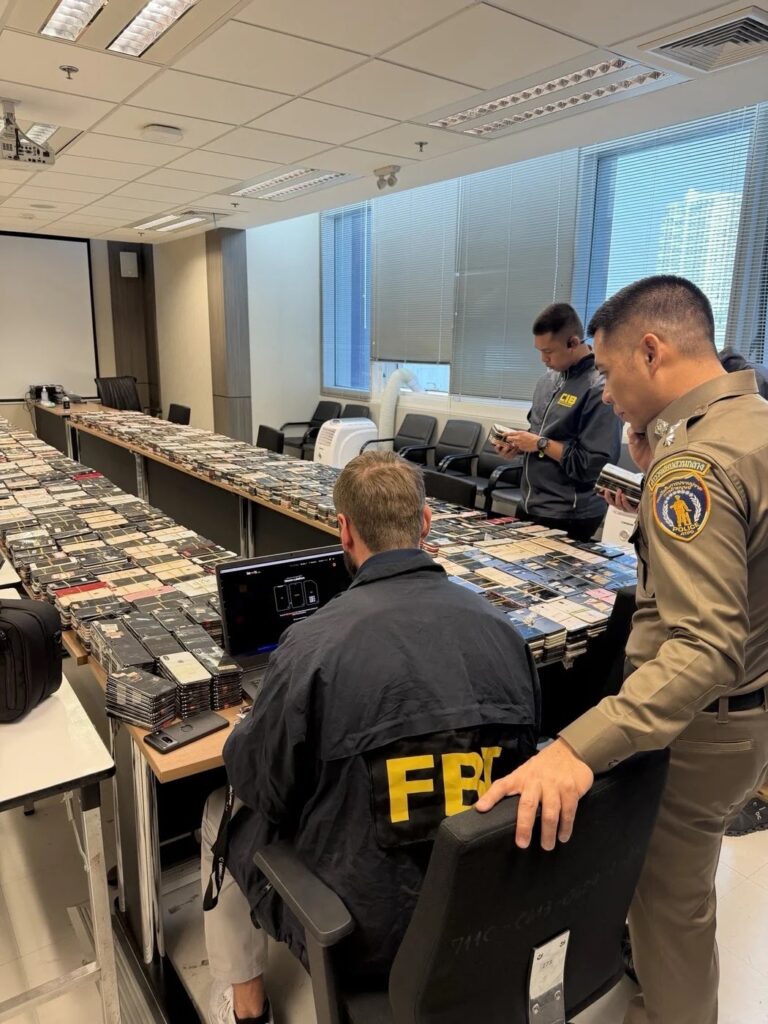
Thailand has become one of the FBI’s key partners in the crackdown. According to Schelble, the FBI’s Bangkok office formed a joint task force with the Royal Thai Police in August 2025, and the bureau is now rotating personnel into Thailand on six-month assignments to support the effort.
The wider campaign now involves more than just arrests. The Justice Department’s Scam Center Strike Force said on February 26, 2026 that freezes and seizures of cryptocurrency tied to Chinese transnational criminal organizations had topped $580 million, with the task force focused on scam compounds in Burma, Cambodia, and Laos.
Meta has also joined the pressure campaign. On March 11, 2026, the company said investigators disabled more than 150,000 accounts linked to scam centers during a joint disruption effort led by Thailand’s Royal Thai Police Anti-Cyber Scam Center, the FBI, and the DOJ Scam Center Strike Force. Meta said the same operation led to 21 arrests by Thai police.
What these scam centers do
The fraud often starts with a harmless message. Victims may get a wrong-number text, a social media message, or contact through a dating platform. Over time, the scammer builds trust and then shifts the conversation toward an investment opportunity, often involving cryptocurrency.
The DOJ says these schemes are commonly called pig butchering scams because fraudsters “fatten up” victims before stealing their money. The scam usually involves convincing the target to move real funds into fake crypto investment platforms or apps that show fake profits and encourage larger deposits.
That model has become one of the most damaging forms of online fraud hitting Americans. The DOJ said recent reporting estimates this scam industry defrauds Americans of nearly $10 billion per year, while Schelble said Americans are being targeted every day by organized criminal enterprises operating out of the region.
Why the FBI is focusing on the region
U.S. officials say these operations do not behave like loose scam crews. Schelble described them as structured criminal enterprises that combine cyber-enabled fraud, money laundering, and coercive labor practices. He also said the groups often take advantage of uneven enforcement and regional safe havens.
The DOJ’s language points in the same direction. Its February 26 announcement said the Scam Center Strike Force is pursuing key leaders, including Chinese organized crime affiliates operating in Burma, Cambodia, and Laos, as part of a broader effort to dismantle the infrastructure behind the scams.
Scam center crackdown at a glance
| Item | Details |
|---|---|
| Main threat | Online confidence and crypto investment fraud targeting Americans |
| Common tactic | Pig butchering scams |
| FBI position | Top operational priority |
| Key regional partner | Royal Thai Police |
| FBI-Thai task force formed | August 2025 |
| DOJ asset action announced | More than $580 million frozen or seized |
| Meta enforcement action | More than 150,000 accounts disabled |
| Arrests cited by Meta | 21 |
What Americans should watch for
The warning signs stay fairly consistent across cases:
- Unsolicited contact from strangers online or by text
- A fast-growing personal or romantic connection
- Pressure to join a crypto or investment opportunity
- Claims of high returns with little risk
- Requests to move money into unfamiliar platforms or apps
- Extra “tax,” “fee,” or “penalty” demands before withdrawal
These warning signs align with the FBI and DOJ descriptions of how pig butchering schemes work in practice.
What victims should do
The FBI says people who believe they have been targeted should file a report through the Internet Crime Complaint Center and contact local law enforcement as quickly as possible. Fast reporting can improve the odds of tracing funds or supporting ongoing investigations. That last point is a grounded inference based on the strike force’s emphasis on rapid tracing, freezing, and seizure of crypto assets.
FAQ
It is a large, organized fraud operation that runs online scams from compounds in parts of Southeast Asia, often targeting victims in the United States and other countries.
It is a confidence scam in which criminals build trust over time, then persuade victims to send money into fake investment platforms, usually tied to cryptocurrency.
Scott Schelble said he had recently traveled to Thailand, Cambodia, and Vietnam as part of the FBI’s effort to understand and counter the scam-center ecosystem.
The DOJ said on February 26, 2026 that freezes and seizures by the Scam Center Strike Force had topped $580 million.
Meta said it disabled more than 150,000 accounts tied to scam centers during a joint disruption effort with Thai and U.S. law enforcement partners.


Read our disclosure page to find out how can you help VPNCentral sustain the editorial team Read more


Improve this guide



User forum
0 messages