
Lithuania Builds AI Cyber Defenses for Safe Digital Society


 3 min. read
  Published on
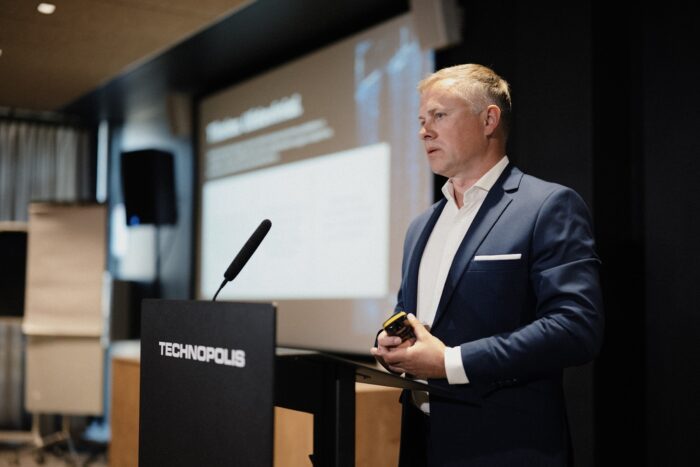
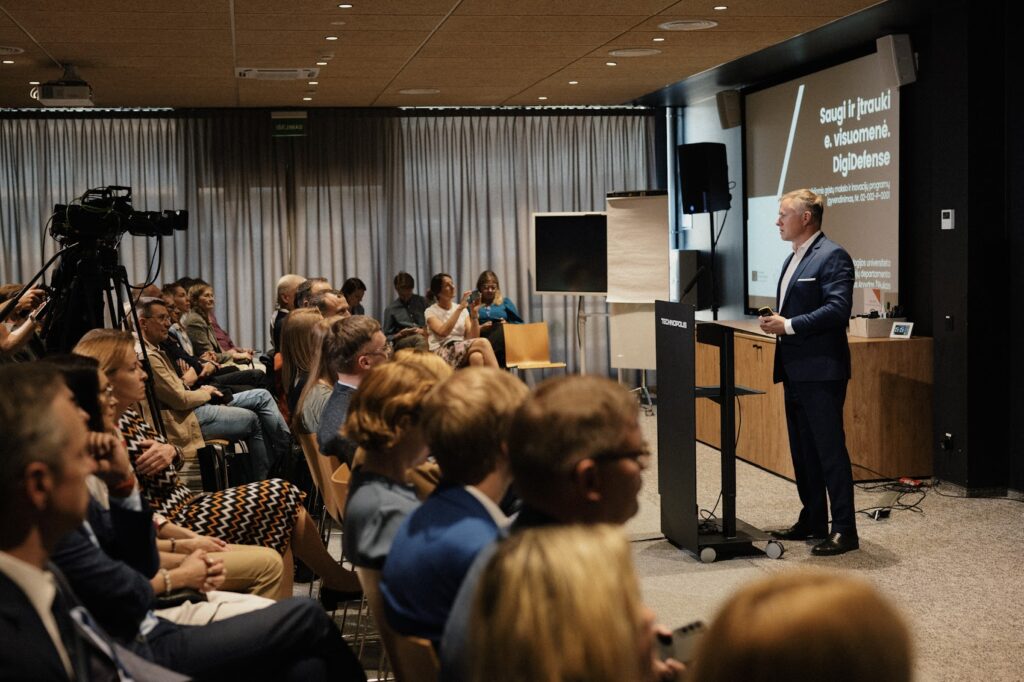
Lithuania launched a national mission to create a safe and inclusive e-society. The program fights AI-driven cyber fraud and boosts digital resilience. It brings together universities, businesses, and government under the Innovation Agency Lithuania.
The effort targets fast-evolving threats from generative AI. These tools help criminals craft realistic phishing and deepfakes. Lithuania invests over €24.1 million to turn research into real-world protections.
Kaunas University of Technology leads the “Safe and Inclusive E-Society” mission. Partners include Vilnius Tech, Mykolas Romeris University, and firms like NRD Cyber Security and Elsis PRO. They test solutions in public services and critical infrastructure.
Mission Goals and Projects
Teams develop AI defenses for key sectors. Financial firms get fraud detection systems. Critical infrastructure uses threat sensors. Public safety gains hybrid threat managers.
Research covers smart buildings that learn and adapt. AI models spot disinformation from bots and trolls. Platforms provide real-time cyber intelligence.
AI Fraud Evolution
Generative AI changes fraud tactics. Criminals use GPT models and voice cloners like ElevenLabs for personalized attacks. Messages mimic official styles perfectly.
Traditional filters fail against these. Attackers scale up with non-repeating, context-aware content. Deepfakes bypass liveness checks in banking and crypto.
Dr. Rasa Brūzgienė from KTU notes the shift. AI chains produce fake IDs, videos, and dialogues. One person can run hundreds of scams quickly.
Social Engineering Advances
AI bots now adapt in real time. They scrape data for custom profiles. Messages shift tone or channel if ignored.
A fake colleague might email, then call with a cloned voice. This exploits trust in e-government systems. Lithuania ranks high in digital readiness but faces these risks.
National Progress
Lithuania climbed to 25th in Chandler Good Government Index. Its AI strategy runs to 2030 with cyber focus. The National Cyber Security Centre cut ransomware fivefold since 2023.
Partners like NATO and ENISA aid hybrid defenses. Martynas Survilas stresses collaboration for trust in digital services.
| Sector | AI Defense Project | Key Partners |
|---|---|---|
| Finance | Fraud detection systems | FinTech firms, KTU |
| Infrastructure | Threat sensors | Elsis PRO, Infobalt |
| Public Safety | Hybrid threat managers | NKSC, universities |
| Disinformation | Bot detection AI | Baltic Institute |
| Intelligence | Real-time platforms | NRD Cyber Security |
- Total funding: €24.1 million.
- Testing sites: Public institutions, critical ops.
- Timeline: Ongoing pilots to 2030.
FAQ
A €24.1M program for AI cyber defenses.
Generative models create realistic phishing, deepfakes, and voices.
Kaunas University of Technology with universities and cybersecurity firms.
Finance, infrastructure, public safety, and anti-disinformation.
Pilots in real environments. Ransomware dropped fivefold per NKSC.


Read our disclosure page to find out how can you help VPNCentral sustain the editorial team Read more


Improve this guide



User forum
0 messages