
Proxy Error 500: Step-by-Step Fixes & Causes


 6 min. read
  Published on
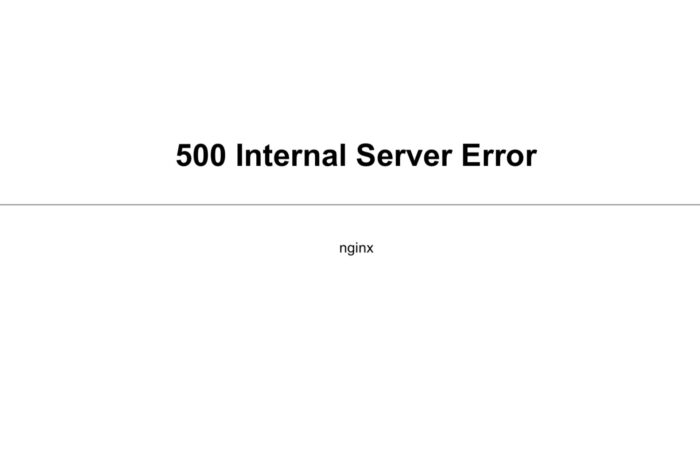
A proxy error 500 happens when a proxy server encounters an unexpected problem and can’t process your request. Most issues are fixable with a few quick steps. Start with the fixes below (fastest first), then review causes and prevention.
Table of contents
Fixes for Visitors
Hard refresh and retry
How: Press Ctrl + F5 (Windows/Linux) or Cmd + Shift + R (Mac) to reload without cached files.

Access content across the globe at the highest speed rate.
🔥 Save 81% + 2 bonus months! 🔥
70% of our readers choose Private Internet Access
70% of our readers choose Private Internet Access
2
Browse the web from multiple devices with industry-standard security protocols.
🔥 Save 73%! 🔥

Faster dedicated servers for specific actions (currently discounted)
🔥 Save 69%! 🔥
Why: Forces a clean fetch and clears temporary cache issues that can trigger 500 errors.
Use private or incognito mode
How: Chrome/Edge: Ctrl + Shift + N. Firefox: Ctrl + Shift + P. Safari (Mac): File > New Private Window.
Why: Private windows ignore old cookies and cached sessions that can bloat headers.
Clear cookies and cache
- Open Settings > Privacy & Security in your browser.
- Choose Clear browsing data.
- Select Cookies and Cached images and files.
- Click Clear and reload the page.
Why: Oversized cookies can exceed proxy header limits and cause 500 errors.
Disable extensions and proxy settings
How: Disable ad blockers, privacy add-ons, and proxy switchers from your browser’s Extensions menu. On Windows, go to Settings > Network & Internet > Proxy and turn off manual proxy unless required.
Why: Some extensions inject headers or routes that the proxy rejects.
Test without VPN/proxy
How: Disconnect your VPN/proxy temporarily and load the site directly. If it works, reconnect and switch to a different server/region.
Why: Confirms whether your routed path is causing the 500.
Switch networks
How: Move from Wi-Fi to mobile data (or vice versa). Optionally restart your router.
Why: Some networks apply filtering or caching that interferes with proxy requests.
If it’s an in-app/bot error
How: If the 500 appears inside a chat/app and mentions a bot not responding, follow app-specific steps. See the focused guide to proxy error: No response from bot (PSGHAG2).
Why: Backend timeouts or failures can surface as generic proxy 500s in apps.
Fixes for Forward Proxy Users (School or Office)
Verify proxy address and port
How (Windows): Settings > Network & Internet > Proxy. Confirm the hostname and port match IT’s config.
Why: Typos or outdated endpoints cause immediate 500s on intermediate gateways.
Re-authenticate
How: Re-enter your proxy username/password. If prompts persist, contact IT to check account status.
Why: Expired or locked credentials often bubble up as 5xx errors.
Disable auto-config (WPAD/PAC) temporarily
How (Windows): Open Internet Options > Connections > LAN settings and uncheck Automatically detect settings. Restart the browser and test.
Why: Broken PAC/WPAD routes can steer traffic through unhealthy proxy nodes.
Reduce cookie/header size
How: Log out of the site, clear cookies, and log back in. Use a private window for testing.
Why: Trimming request headers helps proxies process the request cleanly.
Fixes for Site Owners and Admins
Check logs and capture context
How: Note timestamp, URL, method, and any request ID. Check:
- Nginx:
/var/log/nginx/error.log,access.log - Apache:
/var/log/apache2/error.log,access_log - App: PHP-FPM, Node/PM2, Gunicorn, etc.
Look for: “upstream prematurely closed connection”, “header too large”, stack traces.
Align and extend timeouts
How (examples):
# Nginx
proxy_read_timeout 300;
fastcgi_read_timeout 300;

# HAProxy
timeout connect 10s
timeout client  300s
timeout server  300s
Why: Prevents legitimate long requests from being cut off as 500s.
Adjust buffer and header limits
How (Nginx):
large_client_header_buffers 4 16k;
proxy_buffer_size 16k;
proxy_buffers 8 16k;
How (Apache): Raise LimitRequestFieldSize and related directives.
Why: Oversized cookies/headers commonly trigger proxy 500s.
Validate rewrites and WAF filters
How: Temporarily disable custom rewrites (e.g., complex regex, compression tweaks) and WAF/ModSecurity rules. Re-enable one by one to isolate the offender.
Why: Misapplied rewrites and aggressive filters cause brittle proxy behavior.
Check resource usage
How: Use htop/top for CPU/RAM; verify file descriptor limits with ulimit -n. Inspect worker/process counts.
Why: Exhausted workers, memory, or FDs lead to intermittent 500s.
Confirm TLS/SNI between proxy and origin
How:
openssl s_client -connect origin.example.com:443 -servername yoursite.com
Verify chain validity, hostnames, and protocol/cipher compatibility.
Why: Upstream TLS issues can surface as generic 500s on the proxy.
Restart services safely
How: Graceful reload proxy (nginx -s reload or systemctl reload apache2) and restart app workers (PHP-FPM, Node/PM2, Gunicorn).
Why: Clears stuck workers and applies config changes without hard downtime.
How Proxy Error 500 Differs from Similar Codes
500 vs 502 vs 503 vs 504
- 500: General internal server/proxy error.
- 502: Proxy received an invalid response from upstream.
- 503: Overload/maintenance (Proxy Error 503 guide).
- 504: Gateway timeout (upstream too slow).
For numeric variants, see our dedicated guide to fix Proxy Error 2606.
Causes of Proxy Error 500
Common triggers
- Application crashes or unhandled exceptions behind the proxy.
- Misconfigured proxy rules or bad rewrites.
- Oversized cookies and headers exceeding limits.
- Upstream timeouts or dropped connections.
- TLS/SNI mismatches between proxy and origin.
- Server resource exhaustion (workers, memory, file descriptors).
Prevention for Admins
Operational safeguards
- Handle exceptions at the app edge to avoid uncaught crashes.
- Monitor latency and 5xx rates with alerts; add request IDs to error pages.
- Trim cookies; enforce header size limits and session rotation.
- Right-size timeouts, buffers, workers, and connection limits for peak load.
- Keep TLS configs current; validate SNI and certificate chains.
- Version and test WAF/rewrite rules before production rollout.
FAQs
Usually no. It is typically a server/proxy issue, though local proxy misconfigurations can also trigger it.
Sometimes. A VPN can bypass a broken forward proxy path, but it can’t fix a server-side crash on the website you’re visiting.
Those routes may carry larger cookies, heavier queries, or buggy code paths that exceed limits or hit errors.
Share the exact URL, timestamp, your IP (if possible), steps to reproduce, browser/version, and any on-page request/error ID.


Read our disclosure page to find out how can you help VPNCentral sustain the editorial team Read more


Improve this guide


User forum
0 messages