
Proxy Not Working: Troubleshooting That Actually Works


 6 min. read
  Updated on
When your proxy stops working, it can block browsing, break scraping jobs, or kill app connectivity. This guide will show you the most common reasons why proxies fail and the exact steps you can take to fix them.
Whether you are dealing with error codes, broken settings, or blocked connections, you will find the right solution below.

Access content across the globe at the highest speed rate.
🔥 Save 81% + 2 bonus months! 🔥
70% of our readers choose Private Internet Access
70% of our readers choose Private Internet Access
2
Browse the web from multiple devices with industry-standard security protocols.
🔥 Save 73%! 🔥

Faster dedicated servers for specific actions (currently discounted)
🔥 Save 69%! 🔥
Table of contents
- How to Fix Proxy Not Working Issues
- Step 1: Identify the exact error on screen
- Step 2: Correct wrong proxy settings
- Step 3: Fix authentication problems
- Step 4: Repair network and connectivity
- Step 5: Fix DNS and IP assignment issues
- Step 6: Check provider or upstream server status
- Step 7: Eliminate software interference
- Step 8: Validate certificates and HTTPS tunneling
- Step 9: Run a clean command-line test
- Step 10: Prevent it from breaking again
- FAQs
- Conclusion
How to Fix Proxy Not Working Issues
Step 1: Identify the exact error on screen
First, read the message carefully so you do not chase the wrong problem.
- Capture the error text. Screenshot or copy the full message and any code.
- Scope the issue. Open a second website and a second app to see if the error is global or app specific.
- Bypass the proxy. Temporarily disable the proxy and reload the same site to confirm that the internet works without it.
Windows 11: Settings → Network and Internet → Proxy → toggle off “Use a proxy server.”
macOS: System Settings → Network → Wi-Fi or Ethernet → Details → Proxies → uncheck proxies → OK.
Firefox only: Settings → Network Settings → Settings → No proxy → OK. - Keep the exact wording. You will map this message to the targeted fix below.
Step 2: Correct wrong proxy settings
Misconfiguration is the most common cause. Here is how to verify and repair settings.
- Confirm host, port, and type. Compare your settings with your provider dashboard. Make sure HTTP vs HTTPS vs SOCKS is correct.
- Test the endpoint is reachable. Use command line tools such as
Test-NetConnection(Windows) ornc -vz(macOS/Linux). - Validate PAC files. If you use a PAC URL, paste it in a browser to confirm it loads properly.
- Re-enter details carefully. Typos or mismatched ports can trigger problems like a proxy error could not proxy request.
- If the app tells you the server is missing, check proxy not found to confirm the address, port, and reachability.
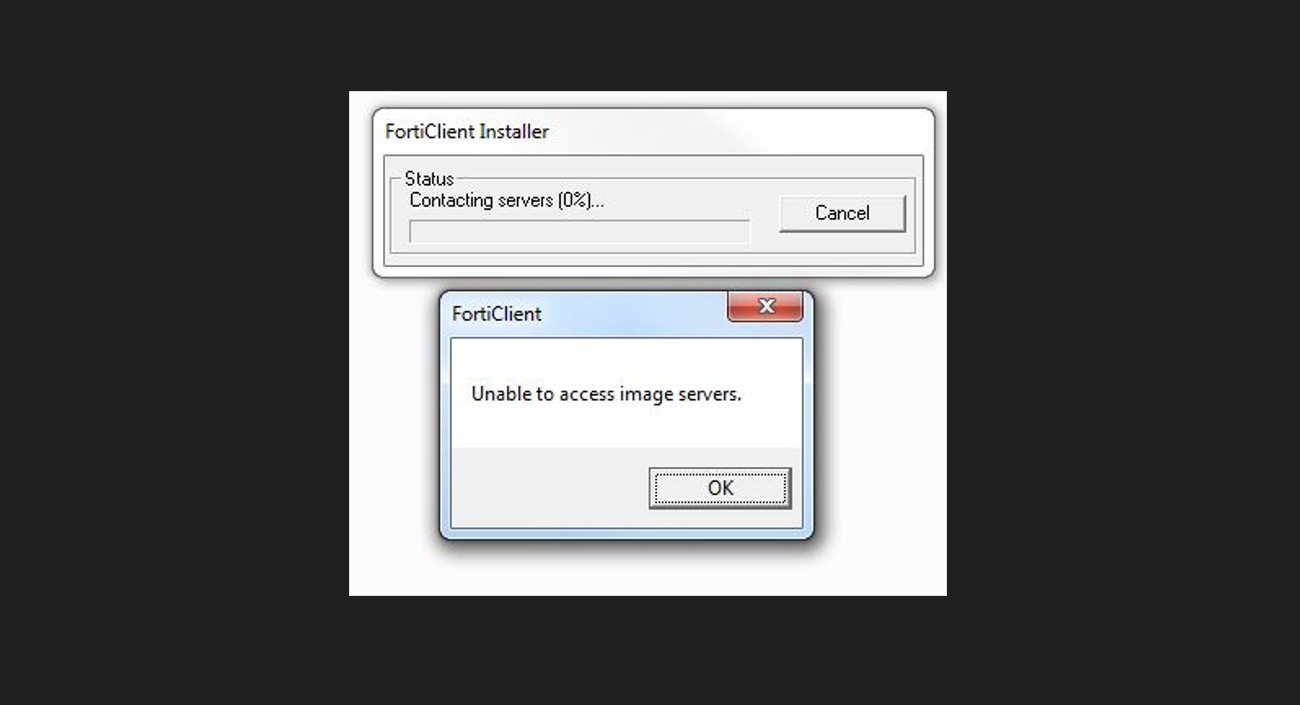
- If images break only through the proxy, review caching and content rules with proxy not working for this image.
Step 3: Fix authentication problems
Bad or missing credentials are another major reason proxies stop working.
- Verify credentials. Re-enter your username and password. Watch for special characters that may need encoding.
- Check IP whitelisting. Add your public IP to the provider’s dashboard if required.
- Browser credential prompt loop. Clear saved credentials and retry.
- If you get a 407 response, see how to fix proxy error 407 for full steps.
- If settings are locked by policy, see proxy not controllable.
Step 4: Repair network and connectivity
If settings and auth are correct, the network path may be failing.
- Power cycle. Restart computer, modem, and router. Wait 60 seconds before powering back on.
- Change networks. Tether to a phone hotspot or use another Wi-Fi to rule out ISP issues.
- Switch medium. Move from Wi-Fi to Ethernet to eliminate interference.
- When the proxy can’t reach the destination site, you’ll often see a proxy server cannot establish connection with target message.
- Some low-level routing problems show up as numeric proxy error 2606.
- If you’re on a locked-down school network, pick an unblocked school proxy to bypass campus filters while you troubleshoot.
Step 5: Fix DNS and IP assignment issues
Even with a working proxy, bad DNS can make hosts look offline.
- Flush DNS cache. Use
ipconfig /flushdns(Windows),dscacheutil -flushcache(macOS), orsystemd-resolve --flush-caches(Linux). - Switch resolvers. Set DNS to 1.1.1.1/1.0.0.1 or 8.8.8.8/8.8.4.4 in your network settings.
- Renew IP lease. Run
ipconfig /releasethenipconfig /renew(Windows) or Renew DHCP Lease on macOS. - If conflicts persist, see repairing IP address proxy error for detailed steps.
Step 6: Check provider or upstream server status
Sometimes the proxy is fine but upstream servers fail or throttle.
- Open your provider dashboard. Check usage caps, IP reputation, and logs.
- Reduce concurrency. Lower threads and add retry logic if scraping.
- A proxy error 502 means invalid response from upstream.
- A proxy error 500 signals proxy malfunction.
- A proxy error 503 appears when servers are overloaded.
- If bots stall, see proxy error no response from bot.
Step 7: Eliminate software interference
Antivirus, firewalls, or extensions can silently block proxy traffic.
- Temporarily disable them to test and whitelist your proxy host if needed.
- Disconnect VPNs or other tunneling apps that may override proxy settings.
- Re-enable security tools one by one to identify the blocker.
Step 8: Validate certificates and HTTPS tunneling
SSL problems can look like generic timeouts.
- Correct system time. Sync date and time with internet time.
- Update trust store. Run system updates to refresh root certificates.
- Install inspection certificates. If your proxy does SSL inspection, import its root CA certificate.
- Protocol switch test. Try HTTP vs SOCKS5 if supported.
Step 9: Run a clean command-line test
A neutral test cuts out app quirks.
- Use curl with proxy flags to test connectivity.
- Set
http_proxyandhttps_proxyenvironment variables for your session. - Compare proxy vs direct responses to pinpoint issues.
Step 10: Prevent it from breaking again
Lock in reliability for the future.
- Keep backup proxy endpoints or a rotating pool.
- Automate health checks and alerting when proxies fail.
- Document the working settings and provider contacts.
FAQs
Errors like 500, 502, or 503 come from servers, while 407 and controllable errors are usually on your device. Each one points to a different part of the connection chain.
This often happens when a group policy, VPN, or malware is forcing changes. Scan your device and review network policies.
Free proxies are unreliable and often blacklisted. For consistent access, use a paid service with good uptime.
Certain sites block specific proxy IPs or use geo restrictions. Switching to a residential or rotating proxy usually fixes it.
Test the same proxy on a different network or device. If failures persist, compare with another provider to confirm.
Conclusion
When your proxy stops working, the key is to follow a structured process. Start by identifying the error code, fix settings and credentials, then move on to network, DNS, or provider issues.
Most failures can be solved with simple steps like flushing DNS, correcting proxy details, rotating IPs, or switching to a stable provider. If you prepare with backups and monitor errors regularly, you can prevent proxy downtime from disrupting your work again.


Read our disclosure page to find out how can you help VPNCentral sustain the editorial team Read more


Improve this guide


User forum
0 messages