
Dell Wyse Management Suite Vulnerabilities Enable Remote Code Execution, Patch Now


 7 min. read
  Published on
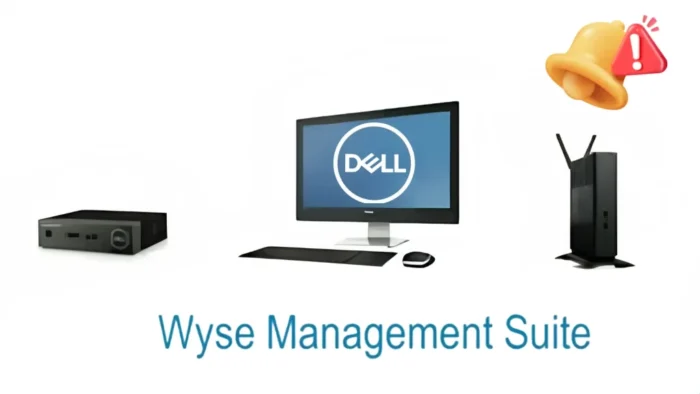
Dell has released a critical security update for Wyse Management Suite after disclosing two vulnerabilities that could let remote attackers execute code on affected systems. The flaws affect Dell Wyse Management Suite versions earlier than 5.5 HF1.
The most severe issue, CVE-2026-41120, carries a CVSS score of 9.8 and can lead to remote code execution. Dell published the details in DSA-2026-225, which rates the overall impact as critical.

Access content across the globe at the highest speed rate.
🔥 Save 81% + 2 bonus months! 🔥
70% of our readers choose Private Internet Access
70% of our readers choose ExpressVPN
2
Browse the web from multiple devices with industry-standard security protocols.
🔥 Save 73%! 🔥

Faster dedicated servers for specific actions (currently at summer discounts)
🔥 Save 69%! 🔥
Wyse Management Suite is used to centrally configure, monitor, manage, and optimize Dell Wyse thin clients. That makes the vulnerabilities important for enterprises, schools, healthcare organizations, and other environments that manage large endpoint fleets.
What Dell fixed in Wyse Management Suite
Dell’s advisory covers two proprietary-code vulnerabilities. Both affect Wyse Management Suite before version 5.5 HF1, and both can result in remote code execution under the conditions described by Dell.
The NVD entry for CVE-2026-41120 describes the flaw as an acceptance of extraneous untrusted data with trusted data vulnerability. Dell says a remote attacker could exploit it to execute code.
The second issue is CVE-2026-49506, a path traversal vulnerability. The CVE record for CVE-2026-49506 says a high-privileged remote attacker could exploit the flaw, also leading to remote code execution.
| CVE | Severity | Vulnerability type | Required access | Potential impact |
|---|---|---|---|---|
| CVE-2026-41120 | Critical, CVSS 9.8 | Acceptance of extraneous untrusted data with trusted data | Remote access | Remote code execution |
| CVE-2026-49506 | High, CVSS 7.2 | Path traversal | High-privileged remote access | Remote code execution |
Why CVE-2026-41120 is the bigger risk
CVE-2026-41120 has the highest severity rating because it combines network access, low attack complexity, no user interaction, and high impact on confidentiality, integrity, and availability.
The CVSS vector listed by Dell uses PR:N, meaning no privileges are required in the scoring model. This makes the flaw especially important for any Wyse Management Suite deployment reachable from less trusted networks.
The Belgian Centre for Cybersecurity advisory also warned organizations about the critical Dell Wyse issue and recommended fast remediation.
Why Wyse Management Suite is a high-value target
Management platforms create larger risk because they control many downstream devices. If attackers compromise the management layer, they may gain a path to endpoint configuration, software deployment workflows, and administrative data.
That does not mean every vulnerable server has been breached. It means organizations should treat exposed or broadly accessible Wyse Management Suite servers as higher-priority patching targets.
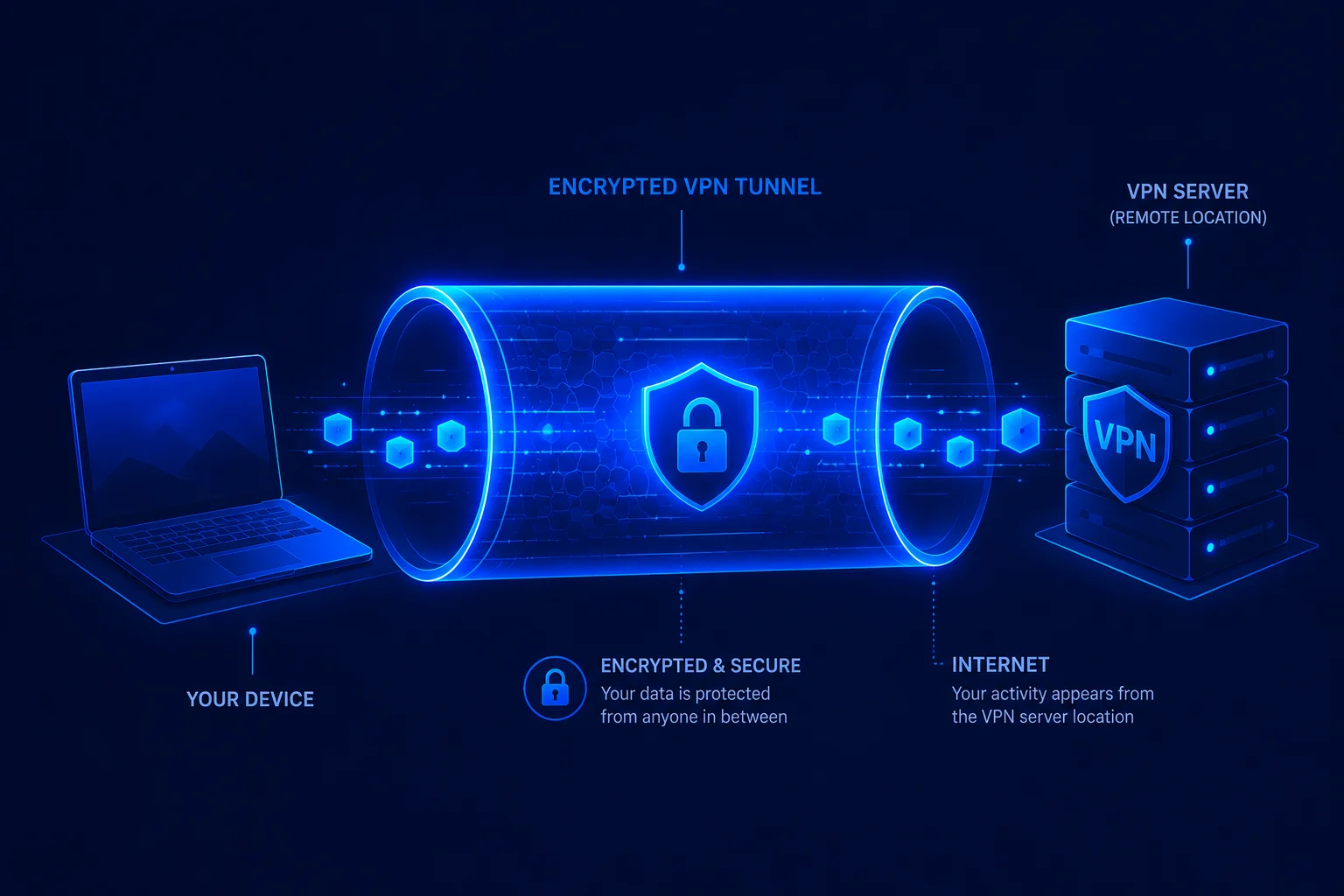
The risk increases when administrators allow management consoles to face the public internet or wide internal network ranges. Remote management tools should sit behind strict access controls, VPNs, or zero-trust access policies.
Patched version and release date
Dell fixed both vulnerabilities in Wyse Management Suite 5.5 HF1. The Dell 5.5 HF1 download page lists version 5.5.0.777 and a release date of May 8, 2026.
Dell says version 5.5 HF1 addresses vulnerability-related issues and can be updated from Wyse Management Suite 5.5.0.771. Administrators should review the package notes before starting production updates.
The company also says the fixed package contains Dell Wyse Management Suite 5.5 Hotfix 1. This is the version organizations should deploy when they run affected builds earlier than 5.5 HF1.
| Product | Affected versions | Fixed version | Release date |
|---|---|---|---|
| Dell Wyse Management Suite | Versions before 5.5 HF1 | 5.5 HF1 or later | May 8, 2026 |
What administrators should check first
Administrators should first identify every Wyse Management Suite server in their environment. This includes production systems, test servers, disaster recovery systems, and older deployments that still manage endpoints.
The Dell security advisory lists versions before 5.5 HF1 as affected and version 5.5 HF1 or later as remediated. Any older installation should move into the urgent patch queue.
Security teams should also confirm whether WMS is reachable from the internet, partner networks, or broad internal user segments. Wider exposure can increase the likelihood of scanning, probing, and attempted exploitation.
- Inventory all Dell Wyse Management Suite servers.
- Confirm the installed WMS version and hotfix level.
- Upgrade affected systems to 5.5 HF1 or later.
- Restrict access to the management console to trusted admin networks.
- Review logs for suspicious remote access or unexpected administrative actions.
- Monitor for unusual child processes on the WMS server.
How CVE-2026-49506 differs
CVE-2026-49506 is less severe than CVE-2026-41120, but it still matters because it can lead to remote code execution when exploited by a high-privileged remote attacker.
Path traversal flaws let attackers manipulate file paths and potentially reach locations outside the intended directory. In a management product, that can create serious risk if the attacker already has powerful access.
The CVE.org record classifies the issue as improper limitation of a pathname to a restricted directory. Dell maps it to CWE-22 and gives it a CVSS score of 7.2.
What security teams should monitor
Security teams should review WMS logs, web server logs, authentication events, and endpoint management actions. They should look for unexpected administrative access, unusual file operations, and signs of command execution from the WMS process.
The NVD record lists CVE-2026-41120 with total technical impact under CISA’s SSVC information. That supports prioritizing it ahead of lower-impact endpoint management flaws.
The Belgian cyber advisory also highlights the remote code execution risk and urges affected organizations to apply Dell’s update.
Recommended mitigation steps
Patching should remain the primary fix. Network hardening can lower exposure, but it should not replace the update on systems running vulnerable WMS versions.
- Apply Dell Wyse Management Suite 5.5 HF1 or later.
- Remove public access to WMS admin interfaces where possible.
- Place management servers behind VPN or zero-trust access controls.
- Use role-based access and remove unused administrative accounts.
- Rotate credentials if suspicious access appears in WMS logs.
- Review firewall and proxy logs for unexpected remote connections to WMS.
Administrators should download updates only from official Dell channels. The Dell driver details page includes checksums that can help verify the integrity of the downloaded package.
Why enterprises should not delay
Enterprise management products are attractive targets because they sit close to infrastructure control. Even when attackers need some level of access, a successful exploit can create a much larger operational impact.
Dell credited security researcher Tien Phan for reporting the issues. The coordinated disclosure gives defenders a patch window, but that window narrows once vulnerability details spread across security databases and advisory feeds.
Organizations using Dell Wyse Management Suite should patch now, restrict access to management interfaces, and review recent server activity. The most exposed systems should receive priority, especially when they manage large endpoint fleets or sit near sensitive network segments.
FAQ
Dell disclosed two vulnerabilities in Wyse Management Suite: CVE-2026-41120, a critical issue with a CVSS score of 9.8, and CVE-2026-49506, a high-severity path traversal flaw with a CVSS score of 7.2. Both can lead to remote code execution under the conditions Dell describes.
Dell Wyse Management Suite versions earlier than 5.5 HF1 are affected. Dell lists version 5.5 HF1 or later as the remediated release.
CVE-2026-41120 is critical. It has a CVSS score of 9.8 and can allow remote code execution, with high impact on confidentiality, integrity, and availability.
Organizations should upgrade affected Dell Wyse Management Suite deployments to version 5.5 HF1 or later. They should also restrict access to WMS management interfaces and review logs for unusual activity.
Dell’s advisory does not report active exploitation. However, the critical severity and remote code execution impact make patching urgent, especially for exposed or broadly accessible WMS servers.


Read our disclosure page to find out how can you help VPNCentral sustain the editorial team Read more


Improve this guide


User forum
0 messages