
Can VPN Bypass Age Verification? All You Need to Know


 5 min. read
  Updated on
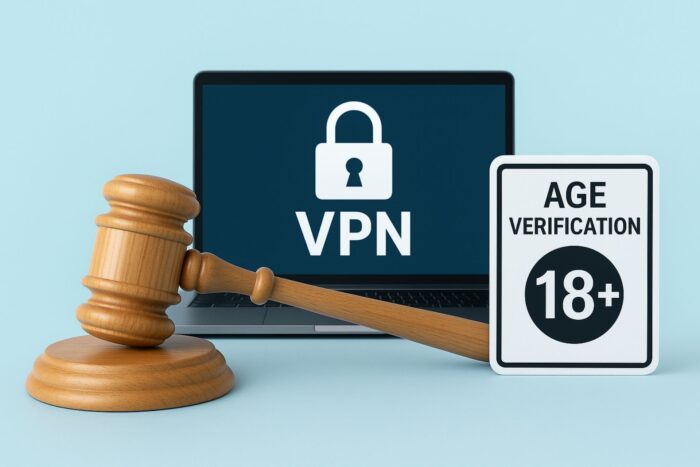
If you’ve ever come across restricted websites and wonder if VPN can bypass age verification, stick around. We’ll break it down for you.
VPNs are widely used to protect privacy and change online location, but their effectiveness with age checks depends on how those systems are designed. Here’s the deal:
Table of contents
 NOTE
NOTE
What Can I Do if I Want to Use a VPN for Age Verification?
1. Understand How Age Verification Works
Age checks are often based on one of three methods:
- Self-attestation (checkbox or date of birth entry).
- Government-issued ID upload.
- Payment card or database verification.
Note: A VPN only masks your location. It cannot forge IDs or payment methods. If you’re wondering whether a VPN provider can see HTTPS traffic, remember that HTTPS encrypts data end-to-end; a VPN can’t read the page contents.
2. Use a VPN to Change Location
Some sites restrict content by region rather than actual age. In these cases, a VPN can help.
- Get a reliable VPN (e.g., NordVPN, ProtonVPN).
- Install and log into the app.
- Connect to a country where the site doesn’t require strict age checks.
- Refresh the site and see if access changes.
Important: If ID verification is mandatory, this won’t work. Keep in mind that VPN activity can still be reviewed or correlated under certain conditions, see can a VPN be traced for details. To fully understand the limits, check this breakdown of what VPNs can track and how providers handle your data.
3. Know When VPNs Don’t Help
- Government ID upload requests.
- Credit card–based age checks.
- Verified account databases (e.g., national identity checks).
In these cases, using a VPN alone won’t work. Performance can also suffer on weak or overloaded servers; learn more in can VPN cause buffering.In other cases, poor speeds, DNS errors, or app conflicts might be to blame, see can a VPN cause internet problems for quick fixes.
Regions With Lax or No Age Verification
1. United States
Many websites rely only on a self-declared age checkbox instead of official verification. A VPN connected to a U.S. server often bypasses stricter rules seen in the EU. Recent reports even show a daily VPN demand increase in Louisiana, where tighter online restrictions have pushed users to look for alternatives.
2. Canada
Certain platforms in Canada follow light compliance. Most entertainment sites don’t require government-issued ID, relying only on disclaimers.
3. Parts of Asia
Countries like Japan and South Korea regulate some industries, but streaming and gaming services usually apply softer restrictions compared to Europe.
4. Latin America
Several Latin American countries, including Mexico and Brazil, have minimal age verification laws online, so a VPN server there may help.
Note: Rules can change quickly, and what works today may not work tomorrow.
Regions With Strict Age Verification
1. United Kingdom
The UK has proposed and trialed mandatory age ID checks for adult content platforms. VPNs don’t bypass these when tied to official ID requirements.
2. European Union
Countries like Germany and France require government-issued documents for gambling or adult content. While users often ask about VPN legal in Europe, legality depends on usage—bypassing age checks can still breach compliance rules.
3. Australia
Regulators in Australia are pushing stronger digital ID checks for restricted platforms, limiting VPN effectiveness.
Social & Regulatory Context
New measures such as Florida’s new porn ban spurring a surge in VPN searches show how quickly user behavior shifts when restrictions appear. At the same time, families and policymakers emphasize how to protect children online, which is a core reason age verification exists.
Tips
- Choose a reputable, no-logs VPN to protect privacy.
- Avoid free VPNs—they often fail at bypassing geo-filters and may throttle speeds.
- Review site terms of service to avoid bans or account loss.
FAQs
No. A VPN changes your IP-based location but doesn’t provide IDs or payment verification.
To comply with regional laws around adult content, gambling, alcohol, or other restricted services.
Mostly streaming or content platforms that check your region rather than your identity.
In many cases, no. It may violate site policies or local regulations even if VPNs themselves are legal in your region.
Summary
- VPNs can only bypass region-based restrictions, not ID checks.
- They’re most useful in countries with light verification laws.
- Legal and policy risks exist—proceed cautiously and comply with local rules.
Conclusion
A VPN can sometimes bypass age verification when access is tied to location, especially in countries with lighter rules. However, it cannot trick systems that require ID or payment proof. For safe browsing, stick to reputable providers like NordVPN or ProtonVPN and always respect website policies.


Read our disclosure page to find out how can you help VPNCentral sustain the editorial team Read more


Improve this guide




User forum
0 messages