
Proxy Not Attached To Service: What It Means and How To Fix It


 4 min. read
  Updated on
If you see “Proxy not attached to service,” the proxy exists but is not actually linked to the app or service that should use it.
The fix is to align configuration, make sure the proxy is running and reachable, and then verify the service is sending traffic through it.

Access content across the globe at the highest speed rate.
70% of our readers choose Private Internet Access
70% of our readers choose ExpressVPN

Browse the web from multiple devices with industry-standard security protocols.

Faster dedicated servers for specific actions (currently at summer discounts)
Table of contents
1. Check the Service Status and Logs
- Open the Services panel on Windows or run
systemctl status <proxy-service>on Linux to see if the proxy is running. - If it is stopped, start or restart it. On Linux use
sudo systemctl restart <proxy-service>. - Open the proxy and app logs. Look for errors about connection or target reachability. If you see messages that look like connection failures, compare them with the guidance in the proxy server cannot establish connection with target guide.
2. Verify Proxy Configuration Files
- Find the proxy config file, for example
squid.confornginx.conf, and note the host, port, and interface it is listening on. - Open the failing app or service configuration and make sure its proxy setting points to that exact host and port.
- If the host or port is wrong, fix it and save. Mismatch here can cause errors like proxy error 502 or proxy error 2606.
3. Fix Permissions and Ownership
- Check who owns the proxy config files. On Linux use
ls -l. On Windows use Properties then Security. - Give the service account read access to the config and to any socket files it must use.
- If the proxy needs credentials, confirm the username and password are correct. Incorrect auth is a common cause of proxy error 407.
4. Inspect Network and Firewall Settings
- Find the proxy port, for example 8080 or 3128, and make sure the firewall allows inbound connections on that port.
- If the app runs on another machine or container, allow traffic between them on the proxy port.
- If requests time out or get blocked, you may hit symptoms like proxy error 503 or no response from bot. Update rules and retest.
5. Correct Interface and Binding Mismatch
- Check what interface the proxy listens on. Many proxies default to
127.0.0.1which is only local. - If the app is on a different host or container, change the proxy to listen on
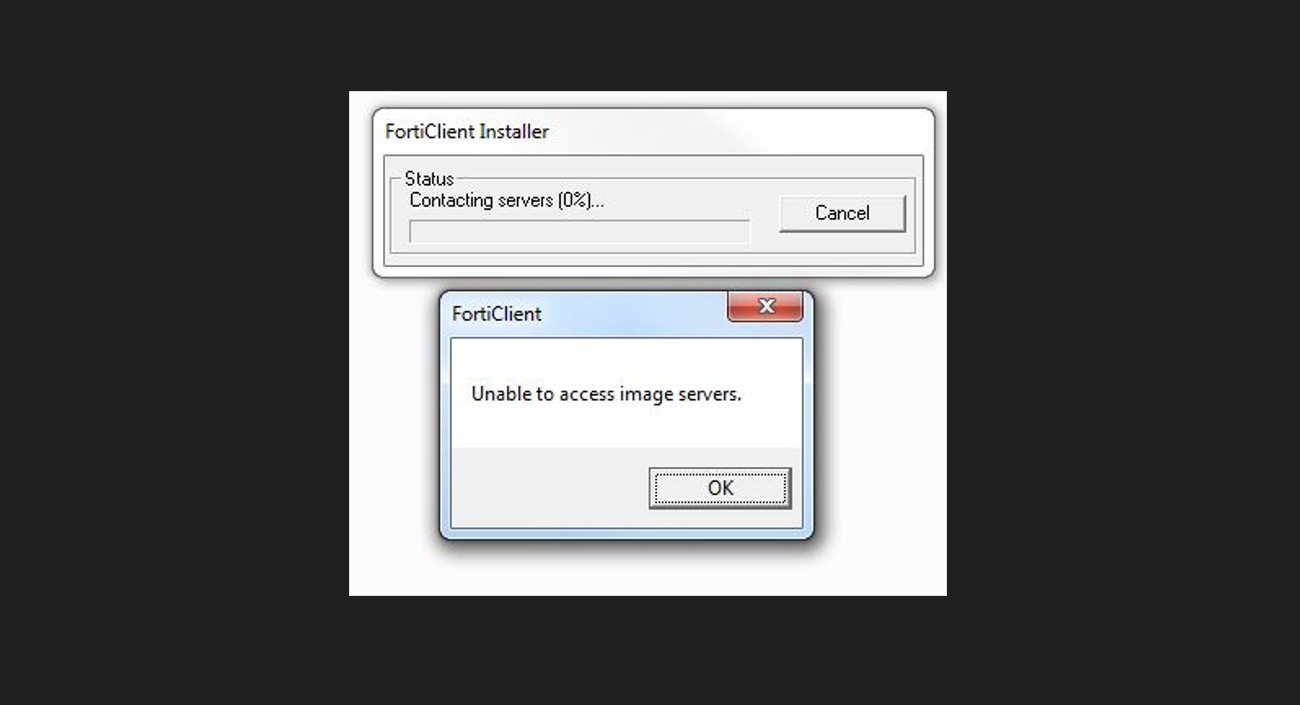
0.0.0.0or a reachable IP. - If clients report missing or unreachable endpoints, compare with the proxy not found guide. If image requests fail specifically, see proxy not working for this image.
6. Restart Services and Test Connection
- Restart the proxy service and then restart the app or service that should use it.
- Test with a simple request through the proxy, for example
curl -x https://127.0.0.1:8080 https://example.com. - If you get server errors instead of a page, compare symptoms with proxy error 500. If the proxy refuses actions, check proxy not controllable.
7. Confirm Proxy Usage with Logs and Health Checks
- Open the proxy access logs and make a request from the app. You should see new log entries.
- If no entries show up, the app is still bypassing the proxy. Recheck the app proxy setting and environment variables.
- If you suspect IP or routing problems, review the steps in the repairing IP address proxy error guide.
Conclusion
This problem means the service is not actually using the proxy. By starting the proxy, aligning configuration and permissions, opening the right ports, fixing interface binding, and testing through a real request, you attach the service to the proxy again. If you still see failures when traffic hits the proxy, compare the exact message with could not proxy request to narrow down the last mile.


Read our disclosure page to find out how can you help VPNCentral sustain the editorial team Read more


Improve this guide


User forum
0 messages