
Stryker says cyberattack disrupted global Microsoft environment, while Iran-linked hackers claim responsibility


 4 min. read
  Published on
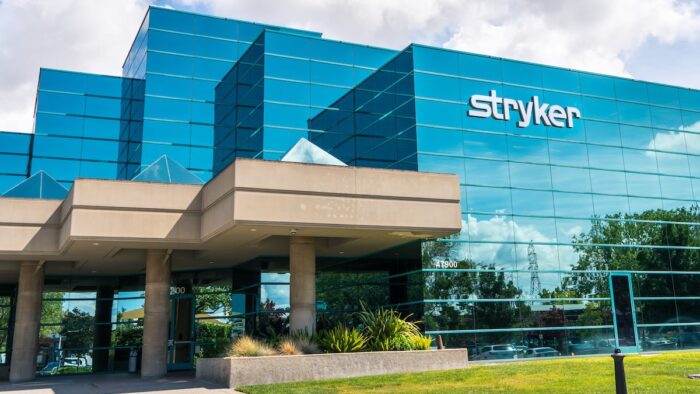
Stryker has confirmed that a cyberattack disrupted its global Microsoft environment, but the company has not backed claims that wiper malware erased data across its systems. In its public customer update and SEC filing, Stryker said it detected a cybersecurity incident on March 11, 2026, that caused a global disruption to certain IT systems, and it added that it had “no indication of ransomware or malware” at the time of the statement.
That makes the key difference in this story clear. A cyberattack is confirmed. Claims about destructive malware, worldwide device wiping, and permanent data loss remain unverified based on Stryker’s own statements so far. Reuters reported that an Iran-linked group calling itself Handala claimed responsibility on Telegram, but it also said Stryker declined to attribute the incident publicly and Reuters could not verify some social media claims tied to the attack.
The disruption appears serious enough to affect company operations. In its 8-K filing, Stryker said the incident caused disruptions and limited access to certain systems and business applications, and that it did not yet know how long full restoration would take. The company also said it activated its cyber response plan and brought in external advisors and cybersecurity experts to help assess and contain the threat.
Stryker later told customers that it believed the situation was contained to its internal Microsoft environment only. It also said products such as Mako, Vocera, and LIFEPAK35 remained safe to use, and it stressed that business continuity measures were in place while teams worked to restore system communications and electronic ordering.
What is confirmed and what is not
| Claim | Status | Basis |
|---|---|---|
| Stryker suffered a cyberattack on March 11 | Confirmed | Stryker customer update and SEC filing |
| The attack disrupted Stryker’s global Microsoft environment | Confirmed | Stryker customer update and SEC filing |
| Stryker found ransomware or malware on its systems | Not confirmed by Stryker | Company said it had no indication of ransomware or malware |
| Handala claimed responsibility | Reported claim | Reuters reporting on Telegram posts |
| Wiper malware permanently erased data worldwide | Unverified | Not supported by Stryker’s public statements reviewed here |
| Products were unsafe to use | Contradicted by Stryker statement | Stryker said listed products remain safe to use |
Why this attack matters
Stryker is not a small regional company dealing with a local outage. Reuters described it as a Michigan-based medical device maker with 56,000 employees and operations in 61 countries, which means even an internal enterprise disruption can create broader concern across healthcare supply chains, customer support, and ordering systems.
The political backdrop also raises the stakes. Reuters said cybersecurity experts viewed the incident as fitting a wider pattern of feared Iranian retaliation against U.S. or Israeli targets following recent military escalation. Even so, attribution in live cyber incidents often remains difficult in the early hours, especially when threat actors make public claims before forensic findings become public.
For now, the strongest reporting points to a major corporate network disruption, not a fully documented global wipe. That distinction matters because early cyberattack coverage often gets ahead of the evidence. In this case, Stryker’s own language remains measured, and it does not support the most dramatic claims in the sample article you shared.
Key takeaways
- Stryker has confirmed a cyberattack and a global disruption to its Microsoft environment.
- The company says it has no indication of ransomware or malware at this stage.
- Iran-linked group Handala has claimed responsibility, but Stryker has not publicly confirmed attribution.
- Claims about wiper malware and permanent data destruction remain unverified from the official material reviewed here.
- Stryker says key products remain safe to use and that it is working to restore systems.
FAQ
Yes. Stryker said it identified a cybersecurity incident on March 11 that disrupted certain IT systems and its global Microsoft environment.
No. Stryker said it had no indication of ransomware or malware in its public update and SEC filing reviewed here.
Reuters reported that the Iran-linked group Handala claimed responsibility on Telegram. Stryker did not publicly confirm that attribution.
Stryker said products including Mako, Vocera, and LIFEPAK35 remain safe to use.


Read our disclosure page to find out how can you help VPNCentral sustain the editorial team Read more


Improve this guide
User forum
0 messages