
Using a VPN for Online Banking Can Trigger Fraud Alerts: Here Is What to Do


 10 min. read
  Published on
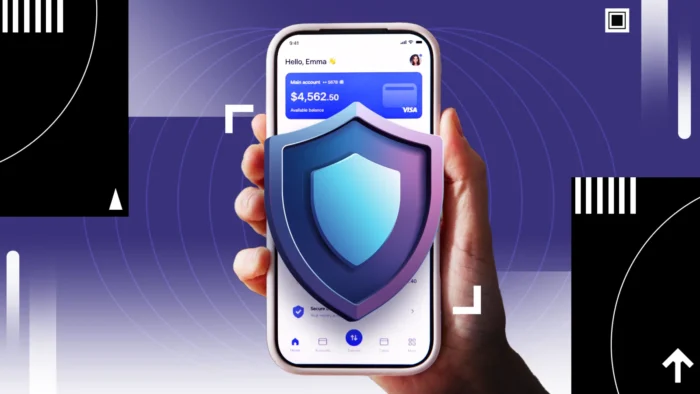
Using a VPN while accessing online banking can make a legitimate login appear suspicious. A bank may request additional verification, block the login, or temporarily restrict account access when the VPN suddenly changes a customer’s apparent location or IP address.
This does not mean VPNs are unsafe or that banks always reject them. The problem comes from the way financial institutions detect fraud. A login that appears to jump between countries or comes from an IP address shared by thousands of VPN users may resemble an account takeover attempt.

Access content across the globe at the highest speed rate.
🔥 Save 81% + 2 bonus months! 🔥
70% of our readers choose Private Internet Access
70% of our readers choose Private Internet Access
2
Browse the web from multiple devices with industry-standard security protocols.
🔥 Save 73%! 🔥

Faster dedicated servers for specific actions (currently discounted)
🔥 Save 69%! 🔥
Most customers do not need a VPN solely to protect an online banking session. A legitimate banking website already uses HTTPS to encrypt credentials, balances, transactions, and other information exchanged between the device and the bank.
Why a VPN can make a bank login look suspicious
Banks monitor sign-in activity for unusual behavior. Their security systems may consider the device, browser, IP address, location, login time, transaction history, and previous account activity when deciding whether a session presents a risk.
A VPN replaces the customer’s normal public IP address with the address of a VPN server. Choosing a server in another state or country can therefore make the login appear to come from a location the customer has never used.
For example, someone may use a banking app in New York and connect through a VPN server in Singapore minutes later. The bank may interpret that change as impossible travel, even though the same person initiated both sessions.
| VPN behavior | What the bank may detect | Possible response |
|---|---|---|
| Connecting through another country | An unexpected foreign login | Identity check or blocked session |
| Frequently changing servers | Rapid IP address and location changes | Repeated verification requests |
| Using a heavily shared VPN address | Many accounts connecting from one IP address | Login challenge or fraud review |
| Using a server with a poor reputation | Traffic associated with abuse or automated activity | Connection blocked |
Financial institutions may respond by requesting a one-time code, biometric confirmation, security question, or phone verification. Bank of America, for example, recommends activating alerts and stronger authentication through its Security Center.
A temporary block does not necessarily mean the bank considers the customer a criminal. Fraud systems often act cautiously because stolen banking credentials can lead to immediate financial losses.
HTTPS already encrypts online banking traffic
HTTPS creates an encrypted connection between a browser or application and the bank’s server. Someone monitoring the local Wi-Fi network should not be able to read the account password, transaction details, page content, or other encrypted information sent through that connection.
Google explains that HTTPS encryption protects web connections from eavesdroppers, man-in-the-middle attacks, and attempts to hijack a connection to a trusted website.
HTTPS does not make browsing completely invisible. A network operator may still infer which service a person visits through DNS requests, IP addresses, or other connection metadata, depending on the browser and network configuration. However, it cannot normally read the protected banking session itself.
A VPN adds another encrypted tunnel between the device and the VPN server. This can hide browsing destinations from the local network and internet provider, but it does not replace the encryption already supplied by the bank’s website.
- HTTPS encrypts data between the device and the bank.
- A VPN encrypts traffic between the device and the VPN server.
- Neither technology protects users who enter credentials on a phishing site.
- Neither technology removes malware already installed on a device.
- Neither technology prevents a user from sharing a verification code with a scammer.
Users should always confirm that the browser shows a secure HTTPS connection and that the domain belongs to the real financial institution. Google’s web encryption guidance explains why encrypted connections make intercepted content unreadable.
Public Wi-Fi still requires caution
HTTPS has made public Wi-Fi safer than it was when many websites transmitted information without encryption. However, customers should not assume that every hotspot, device, application, or website provides adequate protection.
An attacker can create a fake network with a convincing name, such as an airport, hotel, or coffee shop hotspot. The attacker may then direct users toward phishing pages, display deceptive sign-in prompts, or attempt to exploit devices with outdated software.
Bank of America advises travelers to look for HTTPS or use a VPN when public Wi-Fi cannot be avoided. Its travel security checklist also recommends updating operating systems, applications, and security software.
A mobile connection usually provides a simpler option for a short banking session. Customers can disable Wi-Fi and use mobile data instead of connecting to an unknown hotspot.
A personal hotspot from a trusted phone can also reduce exposure to a fraudulent public network. Users should protect the hotspot with a strong password and disable it after completing the session.
How to use a VPN without triggering unnecessary alerts
Customers who still want to use a VPN for banking can reduce the chance of fraud warnings by maintaining a consistent connection. The safest approach involves choosing a nearby server and avoiding rapid location changes.
- Connect to a VPN server in your home country.
- Use the same nearby server whenever possible.
- Avoid switching countries during a banking session.
- Enable account alerts before traveling.
- Keep access to the registered phone number or authentication method.
- Use the bank’s official application or type its address directly.
- Disconnect the VPN if the bank repeatedly rejects the login.
A dedicated IP address may also cause fewer challenges because it does not change or serve thousands of unrelated customers. However, a dedicated address provides less anonymity than a shared VPN server and usually costs extra.
Travelers should review their bank’s current security and travel policies before leaving. Some institutions no longer require travel notices, while others offer notification tools or recommend keeping contact information current.
The Bank of America travel guidance, for example, recommends carrying more than one payment method and ensuring that the bank has accurate contact details.
Phishing presents a greater banking risk
A VPN cannot determine whether an email, text message, advertisement, or phone call comes from a scammer. Criminals frequently impersonate banks and create urgent stories about suspicious payments, frozen accounts, refunds, or security investigations.
The message may direct the customer to a fake login page or ask for a password, card number, PIN, or one-time verification code. The page can use HTTPS and still be fraudulent because encryption only secures the connection to the site. It does not prove that the site belongs to a bank.
The Federal Trade Commission’s phishing guidance recommends avoiding unexpected links and contacting the company through a trusted website or phone number instead.
Customers should never provide a password, PIN, or verification code to someone who calls or sends a message. A bank employee does not need a customer’s complete password to investigate suspicious activity.
When a message claims that an account faces immediate danger, stop responding. Open the official banking app or call the number printed on the back of the payment card.
The FTC’s advice on avoiding phishing also recommends reporting suspicious messages and deleting them after verification.
Multifactor authentication offers stronger protection
A unique password alone may not stop an attacker who obtains it through phishing, malware, credential theft, or a breach at another service. Multifactor authentication requires another form of proof before granting access.
The FTC recommends two-factor authentication because a stolen password may not be enough to enter an account when an additional credential remains necessary.
Banking applications may support device approval, biometric verification, security keys, authenticator codes, push notifications, or one-time codes. Customers should use the strongest method their institution provides.
| Security method | What it protects against | Important limitation |
|---|---|---|
| Unique password | Credential reuse attacks | Phishing can still steal it |
| Multifactor authentication | Logins using a stolen password | Users can still approve fraudulent requests |
| Account alerts | Unnoticed transactions and logins | They do not prevent every transaction |
| Password manager | Weak and repeated passwords | The vault also needs strong protection |
| VPN | Local network and ISP monitoring | It does not stop phishing or account fraud |
Users must never share authentication codes with another person. The code confirms a login or transaction, and a scammer who obtains it may bypass the protection it was designed to provide.
The FTC’s account protection guidance recommends stronger authentication methods when they are available, particularly security keys and authenticator applications.
Practical steps for safer online banking
The most effective banking safeguards focus on account access, device security, and scam awareness rather than relying on a VPN alone.
- Use a unique password generated by a reputable password manager.
- Enable multifactor authentication and biometric login.
- Turn on alerts for logins, payments, transfers, and profile changes.
- Install operating system, browser, and banking app updates promptly.
- Use the official banking app or a saved bank address.
- Avoid banking through links in unexpected emails and text messages.
- Never disclose a one-time code to a caller or message sender.
- Review recent transactions regularly.
- Contact the bank immediately after noticing unauthorized activity.
Bank security tools can notify customers when systems detect unusual behavior. The Bank of America security resources, for example, encourage customers to activate alerts and strengthen account authentication.
Antivirus software and scam-detection tools can add another layer of protection, but they cannot replace careful behavior. Users should treat any unexpected request involving money, credentials, or verification codes as suspicious.
Should you turn off your VPN before online banking?
Turning off a VPN may help when the bank blocks VPN addresses, repeatedly requests verification, or detects an unexpected location. Customers should switch to a trusted home network, mobile connection, or personal hotspot before retrying the login.
Keeping the VPN active can remain reasonable on an untrusted network when the customer uses a nearby server and the bank accepts the connection. The decision depends on the network, VPN configuration, bank policy, and customer’s threat model.
A VPN remains a useful privacy tool, but it does not provide the main security layer for online banking. HTTPS protects the session, while unique passwords, multifactor authentication, account alerts, updated devices, and phishing awareness provide more direct protection against account theft.
FAQ
A VPN can trigger extra verification, a rejected login, or a temporary account restriction when it changes your apparent location or uses an IP address the bank considers risky. It does not automatically lock every bank account.
Turning it off may help when the bank blocks VPN traffic or repeatedly requests verification. Use a trusted home network, mobile data connection, or personal hotspot before signing in again.
A legitimate banking website or application uses HTTPS and other security controls to encrypt the session. Customers should also use a unique password, multifactor authentication, account alerts, and an updated device.
No. HTTPS encrypts the connection to the banking service, but a fake hotspot can still expose users to phishing pages, deceptive prompts, tracking, and attacks against outdated devices. Mobile data or a personal hotspot can provide a safer alternative.
VPN addresses may serve many unrelated users and can appear in different cities or countries. Fraud systems may treat an unfamiliar location, rapid IP change, or heavily shared address as evidence of a possible account takeover.
Unique passwords, multifactor authentication, biometric login, transaction alerts, updated software, and phishing awareness provide more direct protection against account theft. A VPN can improve network privacy but cannot stop most banking scams.


Read our disclosure page to find out how can you help VPNCentral sustain the editorial team Read more


Improve this guide




User forum
0 messages