
Apple Is Working on an iPhone Anti-Snatching Lock Feature, Report Says


 6 min. read
  Published on
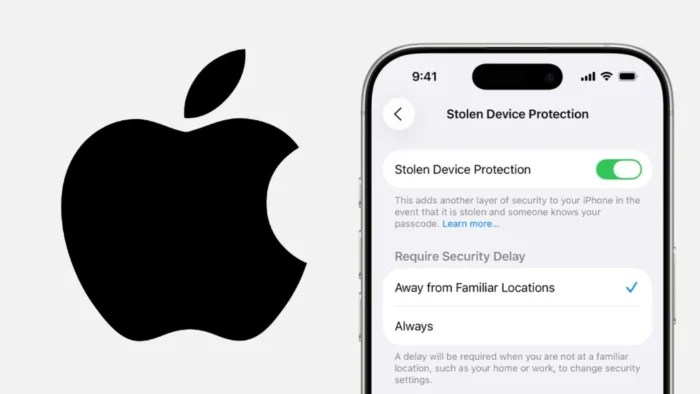
Apple is working on a new iPhone anti-snatching feature that could automatically lock the device when it detects that someone has grabbed it from the owner’s hand, according to 9to5Mac.
The reported feature targets a dangerous theft scenario: an iPhone gets stolen while it is still unlocked. In that moment, a thief may have access to messages, banking apps, saved passwords, payment details, and account settings before the owner can react.

Access content across the globe at the highest speed rate.
70% of our readers choose Private Internet Access
70% of our readers choose ExpressVPN

Browse the web from multiple devices with industry-standard security protocols.

Faster dedicated servers for specific actions (currently at summer discounts)
Apple has not announced the feature publicly, and there is no confirmed release timeline. However, code seen by developers suggests the company is building a system that can detect a snatch-and-run theft and lock the iPhone before the attacker can use the open screen.
How Apple’s Reported Anti-Snatching Feature Would Work
The feature appears to use several signals at the same time rather than relying on one motion trigger. That should help Apple reduce false alarms while still reacting quickly when a theft pattern looks clear.
According to the report, the iPhone could use accelerometer and sensor data to spot sudden movement that looks like a device being pulled away. It may also check the distance between the iPhone and a paired Apple Watch, which could help detect when the phone quickly moves away from the owner’s wrist.
The system may also use familiar Wi-Fi networks and known locations, similar to the logic already used by Apple’s Stolen Device Protection. If the iPhone suddenly leaves a trusted context and the movement pattern looks suspicious, the phone could lock itself and apply stricter account protections.
| Signal | What it may help detect |
| Motion sensors | A sudden pull, grab, or run-away movement |
| Apple Watch proximity | The phone moving quickly away from the owner |
| Familiar Wi-Fi | Whether the device remains near a trusted network |
| Known locations | Whether the theft happened away from home, work, or another regular place |
Why This Would Matter for Stolen iPhones
Apple already offers strong theft protections, but many of them help after the phone has gone missing. Find My can locate, lock, or erase a stolen device, while Lost Mode helps protect the phone after the owner marks it as missing.
The problem starts earlier. If a thief takes an unlocked iPhone, there may be a short window where the device remains open. During that window, the thief could try to access apps, reset accounts, read messages, approve payment prompts, or search for sensitive data.
Apple’s current stolen iPhone guidance tells users to mark the device as lost quickly through iCloud.com/find. That remains important, but an automatic lock could protect the phone before the owner reaches another device.
How It Builds on Stolen Device Protection
Stolen Device Protection already makes it harder for a thief to take over an Apple Account when the iPhone is away from familiar locations. It can require Face ID or Touch ID for sensitive actions such as accessing stored passwords, using saved payment methods, or changing account settings.
For some critical actions, Apple also adds a security delay. This can make a thief wait before changing an Apple Account password, changing the iPhone passcode, removing biometric security, or turning off Stolen Device Protection.
The reported anti-snatching feature would add a new layer before those protections even come into play. Instead of only limiting sensitive actions after the theft, the iPhone could lock itself at the moment the system detects the device has been taken.
Apple Appears to Be Taking a Similar Path to Android
Google already offers a similar idea through Android theft protection. Theft Detection Lock uses AI and motion signals to sense when someone snatches a phone and tries to run, bike, or drive away, then quickly locks the screen.
Apple’s reported version appears similar in purpose, but it may use a broader mix of signals. The Apple Watch distance check could prove especially useful because it gives the iPhone another way to understand whether the device has moved away from its owner in an unusual way.
The feature also appears tied to the same protected areas used by Stolen Device Protection. That means the phone may not only lock the screen, but also restrict access to sensitive Apple Account and security settings after a suspected snatch.
What iPhone Users Can Do Now
Since Apple has not released the reported feature yet, users should turn on the protections already available. The most important step is enabling Stolen Device Protection before anything happens to the phone.
Users can find it by opening Settings, tapping Face ID & Passcode, entering the passcode, and selecting Stolen Device Protection. Apple also lets users choose an “Always” option for the security delay, which applies stricter checks even in familiar locations.
- Turn on Stolen Device Protection in Settings.
- Make sure Find My is enabled before the phone is lost or stolen.
- Use Face ID or Touch ID instead of relying only on a passcode.
- Do not share the device passcode or Apple Account details with anyone.
- If the device is stolen, mark it as lost as quickly as possible.
What Happens Next
The feature remains under development, according to code seen by 9to5Mac. That means Apple could still change how it works, delay it, or decide not to ship it in the next major iOS release.
Still, the direction makes sense. Phone theft has shifted from simply stealing hardware to stealing access. A thief with an unlocked device can try to attack accounts, payments, and personal data before the owner has time to respond.
If Apple ships this iPhone anti-snatching lock feature, it would close one of the biggest gaps left between theft detection and theft response. Until then, users should rely on Stolen Device Protection, Find My, and Apple’s stolen-device steps to reduce the damage if an iPhone is taken.
The broader industry trend also points in the same direction. Android’s Theft Detection Lock already shows how automatic screen locking can help during a snatch-and-run theft, and Apple now appears to be preparing its own answer for iPhone users.
FAQ
Apple has not officially announced the feature yet. Code reviewed by 9to5Mac suggests Apple is developing a system that could automatically lock an iPhone when it detects a snatch-and-run theft.
The reported feature may use motion sensors, Apple Watch proximity, familiar Wi-Fi networks, and known locations to detect when an iPhone has been taken from its owner. If the system confirms suspicious behavior, it could lock the device automatically.
No. Stolen Device Protection adds extra security checks for sensitive actions, especially when the iPhone is away from familiar locations. The reported anti-snatching feature would act earlier by locking the screen when the device appears to have been stolen from the user’s hand.
No. Apple has not released the reported feature yet. Users can still improve protection today by turning on Stolen Device Protection and Find My before the phone is lost or stolen.


Read our disclosure page to find out how can you help VPNCentral sustain the editorial team Read more


Improve this guide




User forum
0 messages