
Foxconn Confirms Cyberattack After Nitrogen Ransomware Gang Claims 8TB Data Theft


 7 min. read
  Published on
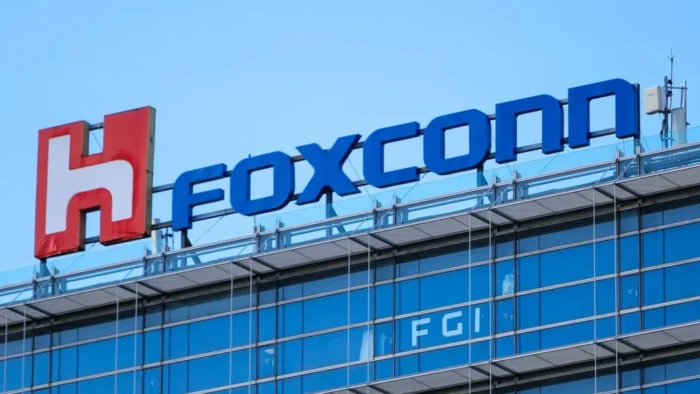
Foxconn has confirmed that some of its North American factories suffered a cyberattack after the Nitrogen ransomware gang claimed it stole 8TB of data from the electronics manufacturing giant.
The company said its cybersecurity team activated response measures and took steps to maintain production and delivery. Foxconn also said affected factories were resuming normal production.

Access content across the globe at the highest speed rate.
70% of our readers choose Private Internet Access
70% of our readers choose ExpressVPN

Browse the web from multiple devices with industry-standard security protocols.

Faster dedicated servers for specific actions (currently at summer discounts)
Nitrogen claims it stole more than 11 million files from Foxconn, including confidential instructions, internal project documents, financial records, and technical drawings tied to major technology customers. Foxconn has not confirmed the attackers’ data theft claims.
What Foxconn confirmed
Foxconn did not give full technical details about the incident. The company confirmed that some North American factories were affected, but it did not publicly identify every impacted site or explain how attackers entered its systems.
Reports said the disruption affected Foxconn operations in North America, including facilities tied to Wisconsin and Texas. Some workers were reportedly forced to rely on manual processes or stay home while recovery work continued.
Foxconn’s statement focused on continuity. The company said it activated internal cybersecurity procedures and implemented operational measures to keep production and delivery moving.
| Incident detail | Current status |
|---|---|
| Company affected | Foxconn |
| Region confirmed by Foxconn | North America |
| Threat actor claim | Nitrogen ransomware gang |
| Claimed data theft | 8TB and more than 11 million files |
| Foxconn confirmation of stolen data | Not confirmed publicly |
| Operational status | Affected factories are resuming normal production |
Nitrogen claims major customer data was stolen
Nitrogen posted Foxconn on its leak site and claimed it stole data connected to several major technology companies. The gang’s claims reportedly mention Apple, Google, Intel, Dell, Nvidia, and other Foxconn customers.
The alleged stolen material includes project documentation, technical drawings, financial files, and other internal records. Reports on the sample files said they appeared to include documents linked to Foxconn’s Houston facility, circuit board layouts, temperature sensor data, and integrated circuit documentation.
However, the scope of the stolen data remains unconfirmed. AppleInsider reported that the sample files it reviewed did not appear to contain Apple circuit diagrams, product development documents, or Apple quality control data.
Why the Foxconn breach matters
Foxconn is one of the world’s most important electronics manufacturers. It works with major technology companies and supports production across devices, servers, components, and data center-related hardware.
A ransomware incident at a company like Foxconn can create risk beyond one organization. Attackers may try to use stolen documents to pressure customers, understand supply chains, identify weak points, or target related infrastructure.
The most sensitive claims involve technical files and network-related documents. If attackers obtained accurate infrastructure maps or project documentation, they could use that information for follow-up attacks, phishing, social engineering, or partner targeting.
- Manufacturing disruptions can affect customer delivery timelines.
- Stolen project files can expose design or operational details.
- Supplier data can help attackers target downstream partners.
- Ransomware groups can use leaked samples to increase pressure during extortion.
- Incident response becomes more complex when many customers may be affected.
What is known about Nitrogen ransomware
Nitrogen is a ransomware operation that has been active in recent years and has been linked in security reporting to the wider ransomware ecosystem that followed the Conti and ALPHV disruption cycles.
The group uses a double-extortion model. That means attackers may encrypt systems while also threatening to leak stolen data if the victim refuses to pay.
Reports have also linked Nitrogen’s ransomware code to leaked Conti 2 builder material. Some researchers previously warned that flaws in Nitrogen’s encryptor could make recovery difficult even when victims pay, which adds another risk for affected organizations.
Foxconn has faced ransomware before
This is not the first time Foxconn has dealt with ransomware activity. The company has previously been linked to incidents involving other ransomware groups, including DoppelPaymer and LockBit.
That history shows why large manufacturers remain attractive targets. They run complex global networks, handle sensitive customer data, and often depend on continuous production.
Attackers understand that downtime in manufacturing can create immediate business pressure. They also know that stolen customer or partner data can increase leverage during extortion.
| Risk area | Why it matters in manufacturing attacks |
|---|---|
| Production continuity | Factory downtime can affect delivery schedules and customer commitments. |
| Customer documentation | Technical records may expose project details or supply chain relationships. |
| Internal financial records | Attackers can use sensitive business data for extortion or fraud. |
| Network information | Infrastructure details can help attackers plan future intrusions. |
| Supplier trust | Customers may need assurance that their own data and projects remain protected. |
What customers and partners should watch
Foxconn customers should wait for direct notification before assuming their data was affected. At the same time, organizations named in ransomware claims should prepare to review whether any shared project files, credentials, drawings, or operational documents may have been exposed.
Security teams should monitor for phishing campaigns that reference Foxconn, manufacturing projects, procurement workflows, or stolen technical details. Attackers often reuse leaked business context to make follow-up emails look more convincing.
Companies should also review whether any network diagrams, supplier contacts, or technical drawings shared with Foxconn could help attackers understand internal systems or production dependencies.
- Ask Foxconn for formal impact details if your organization works with the affected facilities.
- Review shared project documentation and determine whether any files require access changes.
- Monitor for phishing emails that mention Foxconn projects, invoices, logistics, or technical drawings.
- Check whether any leaked file names match internal project identifiers.
- Prepare customer or regulatory notifications only after confirming exposure.
- Increase monitoring for suspicious access attempts against supplier portals and shared systems.
What manufacturers can learn from the attack
The Foxconn incident highlights a larger ransomware problem across the manufacturing sector. Attackers no longer target only corporate IT systems. They also look for valuable project data, supplier information, engineering files, and operational processes that can increase pressure during negotiations.
Manufacturers should assume that ransomware actors will search for customer data first. That makes data segmentation, strict access controls, encrypted backups, endpoint monitoring, and tested recovery plans essential.
The strongest response plans also include partner communication. When a supplier breach may affect major customers, speed and clarity matter almost as much as technical containment.
- Segment sensitive customer projects from general business systems.
- Limit employee access to only the files and systems they need.
- Keep offline backups and test restoration regularly.
- Monitor for large data transfers before encryption begins.
- Review remote access tools and third-party access paths.
- Prepare supplier breach communication templates in advance.
What happens next
Foxconn says affected factories are returning to normal production, but the larger investigation may take longer. The company still needs to determine what data was accessed, whether customer files were affected, and whether attackers left any persistence behind.
Nitrogen may continue to publish samples or increase pressure if negotiations fail. That is common in double-extortion ransomware attacks.
For now, the confirmed facts are limited but serious. Foxconn suffered a cyberattack affecting some North American factories, Nitrogen claims it stole a large data set, and customers named in the attackers’ claims may need to review their exposure carefully.
FAQ
Foxconn confirmed that some of its North American factories suffered a cyberattack. The company said its cybersecurity team activated response measures and that affected factories were resuming normal production.
The Nitrogen ransomware gang claimed responsibility and alleged that it stole 8TB of data and more than 11 million files from Foxconn systems.
No. Foxconn confirmed the cyberattack but has not publicly confirmed Nitrogen’s claim that 8TB of data and more than 11 million files were stolen.
Nitrogen claimed that Apple-related files were among the stolen data, but AppleInsider reported that the sample files it reviewed did not appear to contain Apple circuit diagrams, product development documents, or quality control data.
Foxconn is a major electronics manufacturer for global technology companies. A breach at this scale can affect production continuity, customer confidence, project confidentiality, and the wider hardware supply chain.


Read our disclosure page to find out how can you help VPNCentral sustain the editorial team Read more


Improve this guide




User forum
0 messages