
How to Fix Xfinity VPN Issues: Troubleshooting Tips for 2026


 6 min. read
  Published on

Many users report that Xfinity blocks their VPN connections, preventing them from streaming or logging into their accounts.
This happens because Xfinity’s servers detect VPN IP addresses and restrict access for security and licensing reasons. The good news? You can fix it with a few quick adjustments and keep your VPN running smoothly.

Access content across the globe at the highest speed rate.
70% of our readers choose Private Internet Access
70% of our readers choose ExpressVPN

Browse the web from multiple devices with industry-standard security protocols.

Faster dedicated servers for specific actions (currently at summer discounts)
Table of contents
Why Is Xfinity Not Working with VPN?
Several factors could cause Xfinity to not work correctly when using a VPN:
- IP Detection: Xfinity may block access if it detects the IP address from your VPN connection. Since VPNs often use shared IP addresses, Xfinity might flag them as suspicious and block your access.
- Geolocation Issues: A VPN might make it appear that you’re accessing Xfinity from a different location, leading to service restrictions. Xfinity may block certain IPs based on geographical region or content licensing agreements.
- Streaming Restrictions: Xfinity’s streaming service, Xfinity Stream, restricts access to specific content based on regional licensing. A VPN could trigger a regional mismatch, causing Xfinity to reject the connection. For those looking to stream Xfinity content outside the U.S., you can explore solutions in this guide to watch Xfinity outside the U.S..
- Protocol Compatibility: Some VPNs use protocols (e.g., OpenVPN, IPSec) that Xfinity’s network might block or not support, preventing the VPN connection from working properly.
- Connection Stability: VPNs can sometimes reduce connection speeds, leading to buffering or connection drops. This issue is particularly noticeable when using Xfinity’s internet for streaming.
If you encounter these issues, there are a few solutions you can try to get Xfinity working with your VPN again.
Common Errors
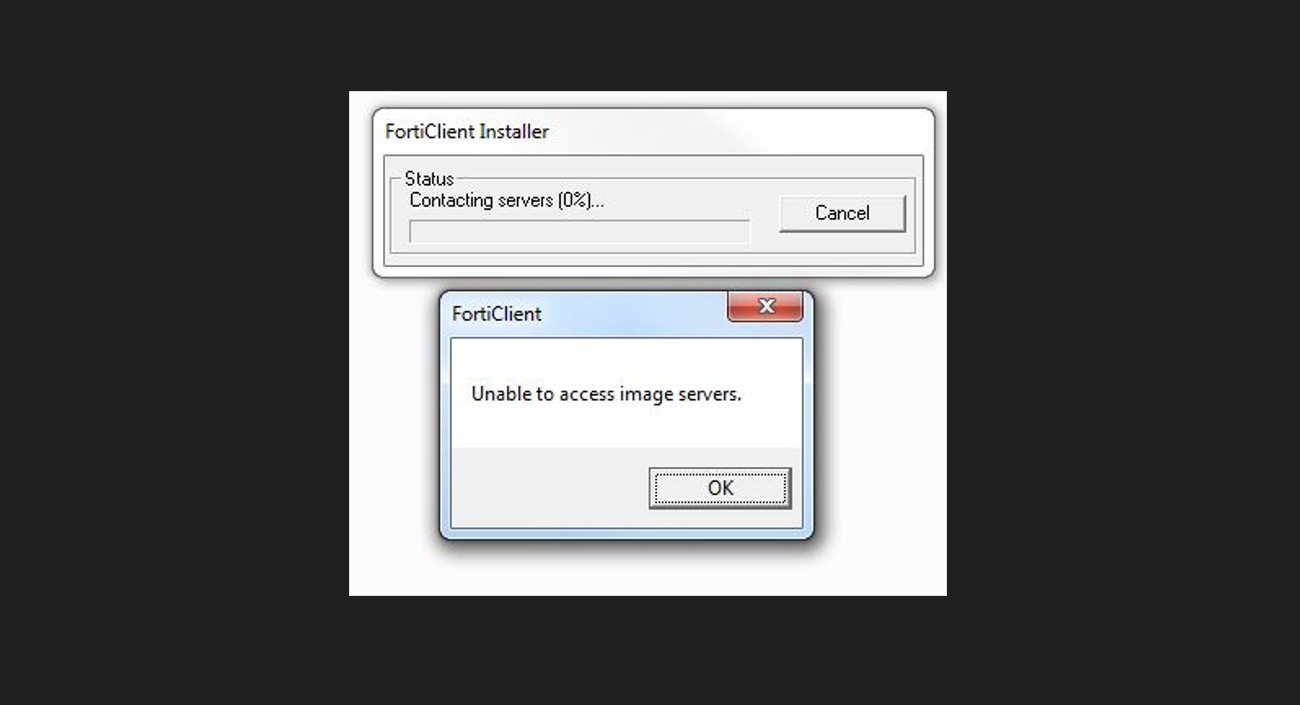
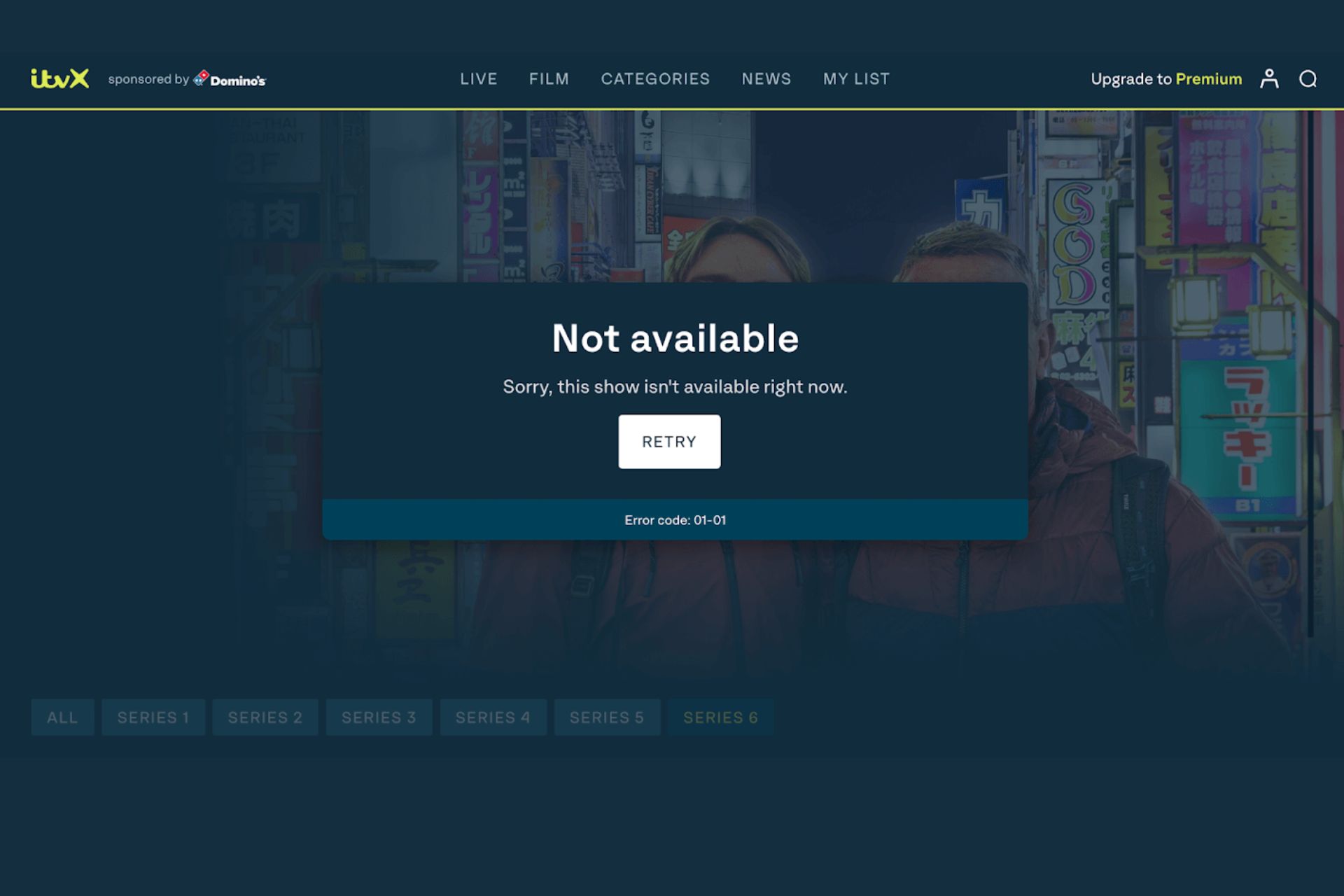
When Xfinity fails to work with your VPN, you might encounter several error messages, such as:
- “VPN connection failed”: This error often occurs when Xfinity detects the VPN’s IP address and blocks it.
- “Xfinity Stream unavailable”: This message usually appears when Xfinity detects a location mismatch due to your VPN.
- “Connection timeout”: VPNs can sometimes cause slower speeds or connection drops, leading to this timeout error.
How to Fix Xfinity Not Working with VPN
1. Disable Xfinity Advanced Security
Xfinity’s Advanced Security feature may block VPN traffic. To disable it, follow these steps:
- Using the Xfinity App:
- Open the Xfinity app.
- Go to Security > Advanced Security.
- Tap the gear icon in the top right corner and disable Advanced Security.
- Using the Admin Tool:
- Go to https://10.0.0.1 in your browser and log in with your admin credentials.
- Navigate to Gateway > Firewall.
- Set the firewall security level to Minimum Security (Low).
2. Restart or Factory Reset Your Gateway
A simple restart can resolve temporary connectivity issues. Here’s how:
- Unplug the power cable from your Xfinity gateway.
- Wait 30 seconds and plug it back in.
If the issue persists, you may need to perform a factory reset:
- Locate the Reset button on the back of your gateway.
- Use a non-metallic object (like a toothpick) to press and hold the button for 30 seconds until all LED lights turn off.
3. Switch to Bridge Mode or Use Your Own Router
If your Xfinity gateway is interfering with your VPN connection, switch to Bridge Mode or use your own router:
- Bridge Mode:
- Access the Xfinity Admin Tool at https://10.0.0.1.
- Log in and navigate to Gateway > At a Glance.
- Enable Bridge Mode.
- Using Your Own Router:
- Connect your personal router to the Xfinity gateway.
- Make sure your router’s firmware is up-to-date.
- Configure your router to allow VPN traffic.
4. Change Your Local IP Address Scheme
Conflicts between your local network’s IP range and the VPN can cause issues. To change your gateway’s IP address scheme:
- Access the Xfinity Admin Tool at https://10.0.0.1.
- Log in and go to Connection > Local IP Network.
- Change the Gateway Address, DHCP Starting Address, and DHCP Ending Address from 10.0.0.x to 192.168.1.x.
- Save your settings and restart your gateway.
5. Test VPN with a Wired Connection
VPN issues may stem from wireless instability. Test your VPN with a wired Ethernet connection to see if the issue persists:
- Connect your device directly to the gateway using an Ethernet cable.
- Try connecting to the VPN. If the connection works via Ethernet but not Wi-Fi, the problem might lie with your wireless network.
6. Switch to a Better VPN
If you’ve tried the above steps and your current VPN still isn’t working with Xfinity, consider switching to a more reliable VPN service. NordVPN is known for its strong security, fast speeds, and ability to bypass VPN restrictions, making it an excellent choice for streaming Xfinity and other services.
It offfers a variety of servers and advanced features that can help resolve your connection issues.

NordVPN
If you’re looking for a reliable VPN for Xfinity, try NordVPN today for better performance and security!7. Contact Xfinity Support
If you’ve tried all the above fixes and Xfinity still doesn’t work with your VPN, reach out to Xfinity Support:
- Call 1-800-XFINITY (1-800-934-6489).
- Use the Xfinity Assistant for troubleshooting.
- Visit the Xfinity Support Center for additional resources.
For more detailed troubleshooting of potential packet loss issues, you can check out this guide to Xfinity packet loss.
Conclusion
Xfinity may block VPN connections for several reasons, including IP detection, geolocation issues, and streaming restrictions. However, by following the fixes listed above, such as disabling Xfinity Advanced Security, using your own router, or changing your gateway’s IP address scheme, you can likely resolve the issue and restore access to Xfinity services while using a VPN.
FAQ
A: Xfinity may block your VPN connection due to IP address detection, geolocation restrictions, or streaming licensing agreements. Disabling Advanced Security or switching VPN providers may help.
A: Yes, changing to a different server location can help bypass regional blocks or other VPN-related restrictions.
A: Some VPN protocols may be blocked by Xfinity’s network security. Switching to a different VPN or adjusting your router settings may resolve compatibility issues.
A: If all fixes fail, contact Xfinity Support for further assistance or consider switching to a different VPN provider.


Read our disclosure page to find out how can you help VPNCentral sustain the editorial team Read more


Improve this guide

User forum
0 messages