
VPN vs Antivirus: Which Do You Need for Cybersecurity?


 6 min. read
  Updated on

When you care about cybersecurity, VPNs and antivirus tools often come up in the same conversation. They sound similar at first, but they solve very different problems.
A VPN keeps your internet traffic private and secure while it travels across networks. Antivirus software protects your device from threats like malware, ransomware, and infected files.

Access content across the globe at the highest speed rate.
🔥 Save 81% + 2 bonus months! 🔥
70% of our readers choose Private Internet Access
70% of our readers choose ExpressVPN
2
Browse the web from multiple devices with industry-standard security protocols.
🔥 Save 73%! 🔥

Faster dedicated servers for specific actions (currently at summer discounts)
🔥 Save 69%! 🔥
Table of contents
What Is a VPN
Encrypting Your Connection
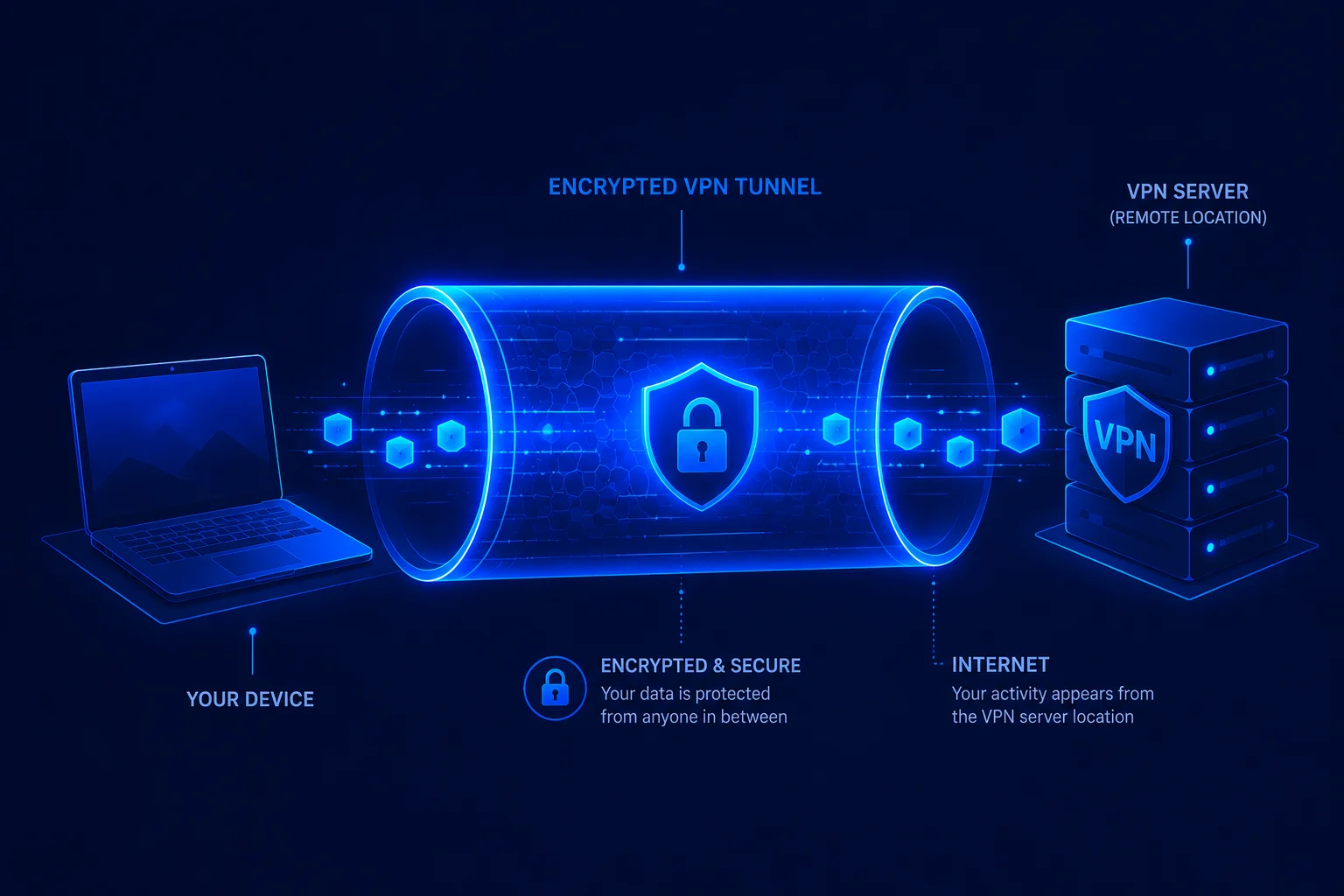
A VPN works by encrypting the traffic between your device and the internet. If you log into a cafe WiFi, the VPN scrambles your data so hackers nearby cannot snoop on your passwords or personal information.
Hiding Your IP Address
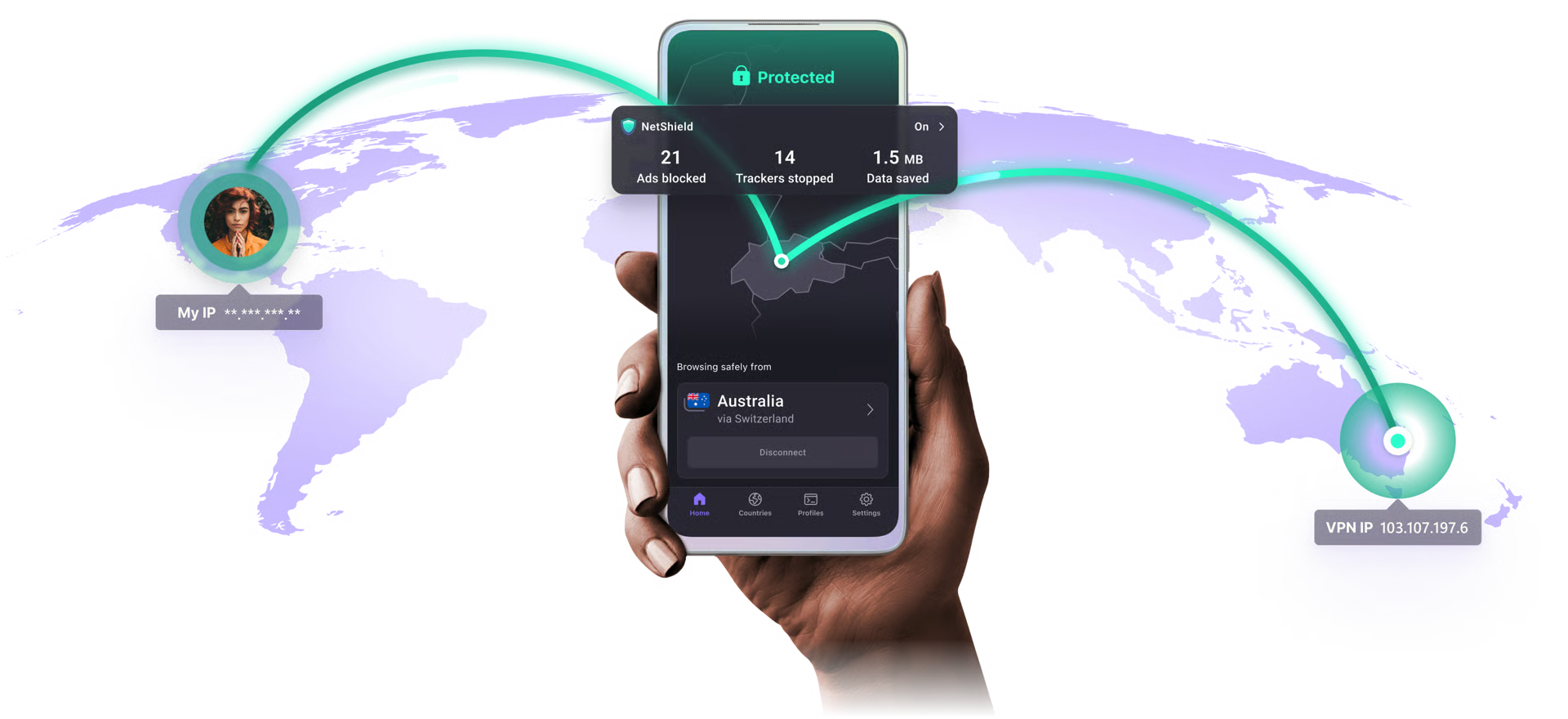
When you connect to a VPN, your real IP address is masked by the server you connect through. This makes it harder for websites, advertisers, or your ISP to build a profile on your browsing habits.
Bypassing Restrictions
VPNs help you bypass geographic blocks. For example, if a streaming service only offers content in one country, connecting through a VPN server in that region lets you access it. The same approach can help in places with strong censorship.
For broader context on where VPNs fit in the network stack, see VPN vs VLAN and VPN vs WiFi. These comparisons show how VPNs differ from local network segmentation and wireless access.
What a VPN Cannot Do
A VPN does not clean or protect files on your device. If you download an infected attachment, the VPN will not stop it. For more detail, read Will VPN protect PC from virus.
What Is Antivirus Software
Detecting and Removing Malware
Antivirus software is built to stop malicious code. It scans files as they are downloaded or opened, checking for patterns and behaviors that match known viruses, trojans, or ransomware. If it finds something suspicious, it quarantines or deletes the file.
Protecting Against Phishing and Ransomware
Modern antivirus suites help block fake login pages and stop ransomware before it can encrypt your files. If you click a bad link by mistake, the antivirus may block the site before you enter any details.
Running in the Background
Most antivirus tools run quietly in the background. They monitor downloads, USB devices, and software installs, making sure nothing harmful sneaks in. This matters because threats often spread silently and you may not notice until it is too late.
What Antivirus Cannot Do
Antivirus does not hide your IP address or encrypt your traffic. If you connect to public WiFi without a VPN, your browsing data can still be tracked even if your system is clean.
If you are wondering about unsafe installers, see Can VPN give you virus. The risk comes from fake or bundled apps from untrusted sources, not from a legitimate VPN protocol.
VPN vs Antivirus: Side by Side
| Feature | VPN | Antivirus |
|---|---|---|
| Main Job | Encrypts traffic and hides IP | Detects and removes malware |
| Protects | Data in transit across networks | Device, files, and operating system |
| Best For | Privacy, secure browsing, WiFi safety | Blocking infections and phishing attempts |
| Ease of Use | Install the app and click connect | Install, enable real time protection, run scans |
| Limitations | Cannot block infected files | Cannot hide identity or encrypt traffic |
To see how VPNs compare with other security controls and network resources, check VPN vs firewall and VPN vs VPC.
Cybersecurity Perspective: Why They Work Better Together
The Risk When You Use Only a VPN
Your traffic may be secure, but your device can still be infected. If you install a cracked program, the VPN can hide the download, but it will not stop the malware from executing. That can lead to data loss and downtime.
The Risk When You Use Only Antivirus
Your device may be clean, but your traffic can be intercepted. If you sign in on hotel WiFi, attackers can capture your login data if you do not have a VPN. The antivirus will not detect this kind of spying since the threat is on the network path.
Layered Security
A VPN and antivirus cover different parts of the attack surface. One secures the road your data travels on. The other guards the house your files live in. Use both to lower risk across common scenarios.
Teams make similar tradeoffs when they compare remote access choices like VPN vs VDI or zero trust models in VPN vs ZTNA. For privacy models, review VPN vs Tor. For infrastructure tradeoffs, see VPN vs VPS.
Pros and Cons of VPNs
Pros
- Encrypts data on public WiFi
- Hides your IP address to protect privacy
- Unlocks content in different regions
- Simple apps and quick setup
Cons
- Possible slowdowns when servers are busy
- You must trust the provider with your traffic
- Does not block malware or bad attachments
Pros and Cons of Antivirus
Pros
- Stops malware and ransomware before damage happens
- Blocks phishing pages and unsafe links
- Runs real time scans in the background
- Protects local files and the operating system
Cons
- Needs frequent definition updates
- May slow older devices during full scans
- Does not protect online privacy or encrypt traffic
Which One Should You Pick
- Choose a VPN for private browsing, safe WiFi, and location control.
- Choose antivirus for strong protection against malware, phishing, and unsafe files.
- The best option is both. VPN plus antivirus gives you privacy and device defense at the same time.
FAQs
Yes. A VPN protects your traffic while antivirus protects your device. One does not replace the other.
No. Antivirus can keep your system clean, but your online activity can still be tracked or intercepted without a VPN.
No. A VPN does not block or remove malware. It only secures your connection and hides your IP.
Not much. Modern VPN and antivirus apps are efficient. Any slowdown is usually minor compared to the security benefits.
Conclusion
VPNs and antivirus software are different tools. A VPN protects your connection by hiding your IP and encrypting your traffic. Antivirus protects your device by scanning files and stopping malware.
If you want solid cybersecurity, use both. A VPN keeps your data private while it moves across the internet. Antivirus keeps your system safe from infections and scams. Together, they build a stronger defense against today’s threats.


Read our disclosure page to find out how can you help VPNCentral sustain the editorial team Read more


Improve this guide

User forum
0 messages