
Flipper Zero Firmware Development Continues Under New Community Contribution Rules


 8 min. read
  Published on
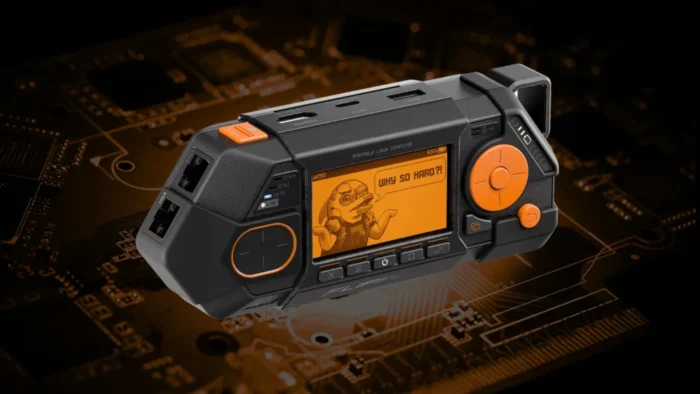
Flipper Devices says it will keep maintaining the Flipper Zero firmware after community members raised concerns that official development had slowed too much. In a new Flipper Zero development update, the company said it has allocated resources to maintain the firmware and support community contributions under a stricter process.
The change does not mean Flipper Zero is returning to unlimited feature development. Instead, Flipper Devices is moving toward a more formal open-source workflow where feature requests, pull requests, and testing must follow clearer rules.

Access content across the globe at the highest speed rate.
70% of our readers choose Private Internet Access
70% of our readers choose ExpressVPN

Browse the web from multiple devices with industry-standard security protocols.

Faster dedicated servers for specific actions (currently at summer discounts)
The official Flipper Zero firmware repository remains the main home for firmware code, while feature requests now move through GitHub Discussions instead of scattered chats, direct messages, calls, Reddit threads, and Discord conversations.
Why Flipper Devices Changed Its Firmware Process
Flipper Devices said the response from users showed that many people still care deeply about official firmware development. The company also said the project has grown beyond one million users, making real-time communication with the development team difficult to manage at scale.
According to the company, the issue was not only the number of requests. It became hard to separate widely useful feature ideas from niche requests, duplicate suggestions, support questions, and off-topic discussions.
The new process pushes firmware development requests into a more structured system. The goal is to make community demand easier to measure and make maintainers less dependent on noisy social channels.
New Rules for Feature Requests
Feature requests now need to follow the official GitHub Discussions guidelines. The rules say discussions should focus on new feature ideas or improvements, not support requests, bug reports, or general questions.
Community members can upvote features they support. Flipper Devices says it will review the highest-voted requests, but proposals must be concrete, realistic, and aligned with the project’s research and education goals.
This gives users a clearer path to influence the firmware roadmap, but it also adds a filter. Duplicate posts, vague requests, off-topic discussions, and proposals involving misuse can be closed or rejected.
| Request type | Where it should go | What changed |
|---|---|---|
| Feature requests | GitHub Discussions | Users can vote and maintainers will review top requests |
| Bug reports | GitHub Issues | Reports need clear reproduction details |
| Support questions | Docs, Discord, Reddit, or social channels | Support is separated from firmware planning |
| Code changes | Pull requests | PRs face stricter review and testing expectations |
Pull Requests Will Face Stricter Review
Flipper Devices has also updated the firmware contribution guide. The guide says contributions must align with Flipper’s research and education mission, pass CI/CD, follow coding style rules, and receive code owner approval.
The company is paying special attention to AI-generated pull requests. The guide says AI-generated changes in core areas such as FURI, FreeRTOS, libraries, and the SDK will receive separate review and may stay in draft or face rejection if they do not bring enough value.
This matters because AI coding tools can produce working-looking code that still creates subtle bugs in low-level firmware. For a compact device such as Flipper Zero, maintainers need confidence that new code does not break existing device behavior.
- Pull requests must match the project’s mission.
- Code intended for crime or misuse will not be accepted.
- CI/CD checks must pass before merge.
- Core firmware changes need code owner approval.
- AI-generated code will receive closer review in sensitive areas.
Integration Testing Becomes a Bigger Requirement
Testing is another major part of the new process. Flipper Devices has published its integration test cases, which cover firmware subsystems such as BadUSB, CLI, GPIO, iButton, Infrared, NFC, RFID, and Sub-GHz.
The testing documentation says contributors do not need to run every test for every change. Instead, they should test the affected subsystem, check related regressions, and run broader tests when a change touches core behavior.
This approach gives contributors a more practical QA path. It also gives maintainers a clearer reason to accept, delay, or reject firmware changes based on test coverage rather than informal review alone.
Firmware 1.0 Changed the Project’s Direction
The background to this decision goes back to the Flipper Zero firmware 1.0 release in September 2024. That update marked the first major stable firmware release and introduced a stronger app-based architecture for the device.
Flipper Zero has limited flash memory available for firmware, so the team shifted many functions into dynamically loaded apps that can run from a microSD card. This helped reduce pressure on the core firmware and allowed more third-party development outside the main firmware image.
After version 1.0, Flipper Devices focused more on maintaining infrastructure, fixing critical bugs, and building new hardware. That shift left some users worried that official firmware work had effectively stopped, which led to the current clarification.
Apps Catalog Submissions Stay Separate
Flipper Devices said the Apps Catalog process is not changing. The Flipper Application Catalog remains the public repository for community-developed app manifests, app metadata, and build information.
This separation is important because many ideas do not need to become part of the main firmware. The official firmware repository tells contributors to consider whether a feature belongs in firmware or could work better as an external app published through the catalog.
For developers, this means firmware changes now face stricter rules, while app submissions still have their existing route. That keeps the core firmware more stable without blocking community creativity around third-party apps.
| Development area | Status | What it means for contributors |
|---|---|---|
| Official firmware maintenance | Continues | Flipper Devices will support maintenance and selected community contributions |
| New firmware features | Community-voted | Concrete, top-voted requests get priority review |
| Pull requests | Stricter review | Core changes and AI-generated code face closer scrutiny |
| Apps Catalog | Unchanged | Third-party apps can still use the existing catalog process |
What the Reddit AMA Added
Flipper Devices also held an official Reddit AMA with team members to answer community questions. In the thread, company representatives said Flipper Zero had received all promised main features and that support would continue under the new model.
One response also said the team had added contribution rules because AI tools created a rise in low-quality pull requests. That matches the stricter language now visible in the updated contribution guide.
The company also said Flipper Zero and Flipper One serve different areas. That point matters because some users feared that work on new hardware would replace support for the original Flipper Zero rather than sit alongside it.
What This Means for Flipper Zero Users
For regular users, the main takeaway is simple: Flipper Zero firmware development is not ending. However, the official team now plans to focus on maintenance, critical fixes, and the most useful community-backed feature requests.
For contributors, the process becomes more formal. A good firmware proposal now needs a clear use case, expected benefits, realistic scope, and alignment with the project’s legal research and education goals, as explained in the feature request guide.
For developers who want to build functionality outside the core firmware, the Apps Catalog repository remains the better path in many cases. That route lets community apps grow without adding every feature directly into the limited firmware image.
Why the Firmware Shift Matters
The move shows how difficult it can be to manage a popular open-source hardware project after it reaches mainstream scale. Flipper Zero started as a Kickstarter device that raised nearly $5 million, then grew into a large user and developer ecosystem.
The company’s latest firmware statement tries to balance those two realities. Flipper Devices wants to keep official firmware stable while still giving the community a measurable way to request features and contribute code.
The success of the new model will depend on whether GitHub voting surfaces useful requests, whether maintainers review them consistently, and whether contributors follow the firmware testing documentation before submitting changes.
For now, the message is clear. The official firmware is not abandoned, but Flipper Devices no longer wants development priorities to be set by scattered social media pressure. The project is moving toward a more structured contribution system built around the official firmware repo, the version 1.0 architecture, and community-voted priorities discussed in the AMA thread.
FAQ
No. Flipper Devices says it will continue maintaining the Flipper Zero firmware and supporting community contributions. The focus is now on maintenance, critical fixes, and selected community-voted feature requests rather than broad feature development.
Users should submit firmware feature requests through GitHub Discussions. Requests need to be concrete, realistic, aligned with the project’s research and education goals, and separated from bug reports or support questions.
Pull requests now face stricter review. Contributions must pass CI/CD, follow coding rules, align with the project mission, and receive maintainer approval. AI-generated changes in core firmware areas will receive closer review.
Yes, relevant integration and regression tests are now part of the contribution process. Contributors should test the subsystem they changed and run broader tests when a change affects core firmware behavior.
No. Flipper Devices says Apps Catalog submissions will continue as before. Many new ideas may fit better as third-party apps rather than changes to the main firmware.


Read our disclosure page to find out how can you help VPNCentral sustain the editorial team Read more


Improve this guide




User forum
0 messages