
Roku Channel Not Working With VPN: Quick Fixes That Work


 4 min. read
  Updated on
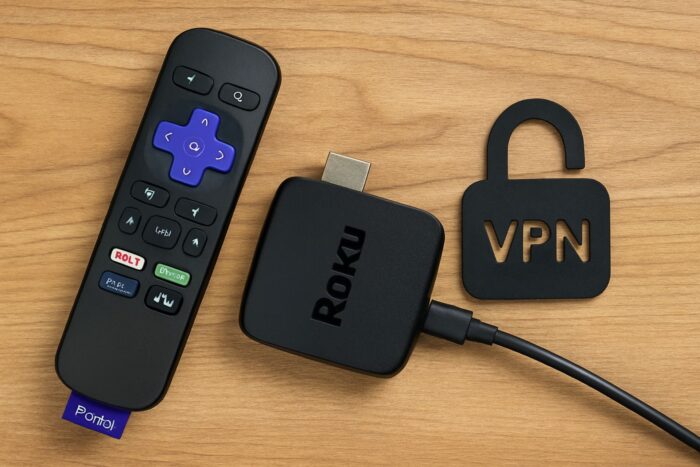
If the Roku Channel is not working with VPN, streaming gets frustrating fast. The problem usually shows up when you try to watch shows outside the U.S. but end up with errors, buffering, or blocks.
Since Roku Channel limits access by region, a VPN is the go-to workaround. When it fails, the cause is usually tied to VPN quality, device setup, or cached data that interferes with the connection.

Access content across the globe at the highest speed rate.
70% of our readers choose Private Internet Access
70% of our readers choose ExpressVPN

Browse the web from multiple devices with industry-standard security protocols.

Faster dedicated servers for specific actions (currently at summer discounts)
Table of contents
Steps To Fix Roku Channel Not Working With VPN
Fix 1: Switch to a Better U.S. VPN Server
Roku often blocks specific IP ranges, so a fresh server can clear the roadblock.
- Open your VPN app.
- Disconnect from your current U.S. server.
- Select a different U.S. location, ideally one close to you.
- Reconnect and relaunch Roku Channel.
For a broader walkthrough on accessing geo-restricted shows, see how to watch U.S. channels on Roku with a VPN.
Fix 2: Clear Cached Data and Restart Devices
Old DNS data or app cache can stop Roku from recognizing your new VPN route.
- Power cycle your Roku or Roku TV.
- If you control the network from a phone or tablet, clear the VPN app cache in system settings.
- Reconnect your VPN and try the channel again.
Fix 3: Update or Reinstall the VPN App
Outdated apps can fail modern streaming checks and cause connection errors.
- Open your device’s app store.
- Update your VPN app to the latest version.
- If no update is available, uninstall and reinstall the VPN app.
- Log in, choose a U.S. server, then test Roku Channel.
Fix 4: Run the VPN on Your Router
Roku devices do not support VPN apps directly, so put the VPN on the network itself.
- Log in to your router’s admin panel.
- Follow your provider’s guide to add the VPN profile.
- Connect your Roku to that Wi-Fi network.
- Open Roku Channel and test playback.
This setup also helps with live TV services that block regions. Many users use a VPN with IPTV to bypass restrictions when a channel geo-locks streams.
Fix 5: Try a Premium VPN Built for Streaming
Some providers cannot keep up with streaming blocks because their IP pools are too small.
- Pick a VPN known for stable U.S. streaming access.
- Connect to multiple nearby U.S. servers to find the most consistent one.
- Retest Roku Channel after each switch.
For criteria and tested options, review the best VPNs for streaming.
Conclusion
When the Roku Channel is not working with a VPN, it usually comes down to blocked servers, stale cache, or the lack of router-level VPN coverage.
Rotate U.S. servers, refresh devices, keep your VPN app current, and consider running the VPN on your router. If problems stick around, move to a streaming-ready VPN that maintains reliable access.
FAQ
Roku often flags IP ranges that look shared or suspicious. When many users stream from the same VPN IP, it gets listed and blocked.
Free services rarely work. They have small server lists, crowded IPs, and limited speeds, which triggers more blocks and buffering.
Yes. Roku Channel availability depends on your region. For U.S. content, connect to a U.S. server before launching the app.
Yes. Every device on that network will route through the VPN. If you want only Roku on VPN, use a secondary router or guest SSID.
It can help with stability, but it does not replace a VPN for geo-locks. Use DNS tweaks alongside a quality VPN for best results.


Read our disclosure page to find out how can you help VPNCentral sustain the editorial team Read more


Improve this guide

User forum
0 messages