
Hackers Use Rokarolla Banking Trojan to Intercept SMS Codes and Steal Crypto Credentials


 7 min. read
  Published on
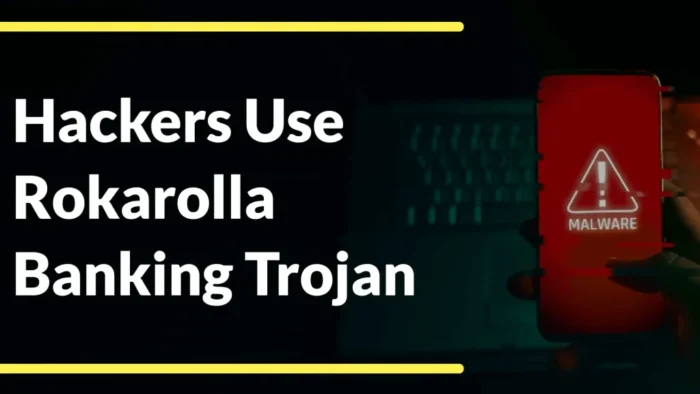
A new Android banking trojan called Rokarolla is targeting banking and cryptocurrency users by pretending to be trusted apps such as Google Chrome, TikTok and Google Play Protect. Public reporting citing Zimperium says the malware can target 217 banking and crypto apps through fake login overlays and device-level surveillance tools.
The campaign is dangerous because Rokarolla does not only steal passwords. It can also intercept SMS messages, collect lock screen credentials, capture screenshots, extract contacts, monitor the clipboard and block incoming calls that could warn victims about fraud.

Access content across the globe at the highest speed rate.
🔥 Save 81% + 2 bonus months! 🔥
70% of our readers choose Private Internet Access
70% of our readers choose ExpressVPN
2
Browse the web from multiple devices with industry-standard security protocols.
🔥 Save 73%! 🔥

Faster dedicated servers for specific actions (currently at summer discounts)
🔥 Save 69%! 🔥
The malware spreads through fake download sites, third-party app stores and social media links, not through official Android app stores, according to TechRadar. That makes sideloading one of the biggest risk factors for users.
How Rokarolla Reaches Android Devices
Rokarolla begins with deception. Victims land on malicious sites that advertise popular apps and push them to install files from outside the Google Play Store. In some cases, the malware chain uses a fake Google Play Protect screen to make the download look safe.
Google says Android users should get apps from Google Play, while warning that apps from unknown sources can put a device and personal information at risk. That warning fits this campaign closely because the attack depends on convincing users to install apps from untrusted sources.
After installation, Rokarolla asks for sensitive permissions, including Accessibility Services, SMS, notifications and call-related access. Those permissions give the malware the reach it needs to watch user actions and interfere with security alerts.
| Rokarolla tactic | What it does | Why it matters |
|---|---|---|
| Fake app downloads | Impersonates Chrome, TikTok and security tools | Victims think they are installing trusted software |
| Overlay attacks | Places fake login screens over real banking apps | Credentials go to attackers instead of the bank |
| SMS interception | Reads one-time passcodes and bank alerts | Attackers can bypass weak two-factor authentication |
| Call blocking | Interferes with incoming warning calls | Fraud alerts may never reach the victim |
| Clipboard monitoring | Can watch copied text and crypto wallet data | Crypto transfers can be redirected or exposed |
Banking and Crypto Apps Are the Main Targets
Rokarolla checks infected phones for targeted financial apps. When a user opens one of those apps, the trojan can display a fake HTML-based login screen over the legitimate app interface.
To the victim, the page may look like a normal bank or crypto login. In reality, anything entered into the overlay can be harvested by the attacker, including usernames, passwords, PINs and unlock patterns.
Tom’s Guide also reported that Rokarolla can steal SMS notifications and intercept calls, making it harder for victims to receive alerts when attackers try to drain accounts.
Accessibility Abuse Makes the Trojan More Powerful
Android Accessibility Services exist to help users with disabilities or temporary access needs interact with their devices. The official Android accessibility service documentation says these services can inspect screen content and interact with apps on a user’s behalf.
That same power makes Accessibility Services attractive to Android banking trojans. When malware gains this access, it can read on-screen content, automate taps, capture text and monitor activity across apps.
Rokarolla reportedly uses this access to help with overlay attacks, keystroke capture, contact theft and surveillance. For users, an unexpected request to enable Accessibility permissions from a browser, social app, APK installer or “security” prompt should be treated as a major warning sign.
- Do not grant Accessibility access to an app unless it clearly needs assistive features.
- Remove unknown apps that request SMS, notification, call or overlay permissions.
- Check installed apps if the device suddenly shows battery drain, overheating or pop-ups.
- Use official app stores and avoid APK files from websites or messaging apps.
- Call your bank from a trusted number if alerts or calls suddenly stop arriving.
SMS Codes Are No Longer Enough
Rokarolla’s SMS interception feature makes SMS-based two-factor authentication weaker against this type of malware. If attackers already control the infected phone, they can capture a one-time code as soon as it arrives.
This does not mean two-factor authentication is useless. It means users should choose stronger methods when available, especially for banking, email and crypto accounts. Google says security keys can be used with two-step verification to help keep hackers out of an account.
For crypto users, the clipboard risk is also serious. If malware can monitor or alter copied wallet addresses, a user may paste an attacker-controlled address into a transfer screen without noticing the change.
Google Play Protect Helps, but Sideloading Raises Risk
Google says Google Play Protect checks apps and devices for harmful behavior, scans apps from Google Play before download, and checks devices for potentially harmful apps from other sources.
It can also warn users, disable harmful apps, remove them automatically and block some unverified apps that request sensitive permissions commonly abused for financial fraud. That last point matters because Rokarolla depends on permissions such as SMS, notifications and Accessibility access.
However, no protection works well if users ignore warnings and install files from fake download pages. Users should avoid browser-based APK downloads unless they fully trust the developer and understand why the app is not in an official store.
| Risk signal | What users should do |
|---|---|
| A website offers Chrome, TikTok or Play Protect as an APK | Close the page and install apps only from Google Play or a trusted official store |
| An app asks for Accessibility access without a clear reason | Deny the request and uninstall the app |
| Bank SMS alerts stop arriving | Contact the bank immediately from another trusted device |
| A crypto address changes after copying | Stop the transfer and scan the device before using wallets again |
| Unknown app icon disappears after installation | Review installed apps and run a Play Protect scan |
What Organizations Should Monitor
Companies managing Android fleets should watch for sideloaded apps, unauthorized Accessibility Service use, unexpected SMS handler changes, suspicious overlay behavior and applications that hide their launcher icons.
Mobile device management policies should limit app installation from unknown sources where possible. Teams should also alert on sensitive permission combinations, especially when a newly installed app requests Accessibility, SMS, notification access and call control together.
Google’s Play Protect guidance says the system can scan apps installed from outside Google Play and may send unknown apps to Google for analysis when harmful app detection is enabled.
How Android Users Can Stay Safe
The simplest defense is to avoid sideloading. Google’s Android app download guidance recommends checking ratings, download counts and reviews before installing apps from Google Play, and it warns that unknown sources can harm personal information.
Users should also review app permissions regularly. The Android Accessibility Services guide describes accessibility services as specialized assistive tools, not normal permissions for ordinary apps.
For high-value accounts, SMS codes should not be the only defense. Stronger options such as security keys for two-step verification, passkeys, app-based authentication and hardware wallet confirmations can reduce the damage if a phone gets infected.
TechRadar noted that Rokarolla was not found on Google Play or other official Android repositories. Tom’s Guide also warned that the campaign relies on users installing apps from websites instead of official stores.
Rokarolla shows why Android banking malware remains a serious financial threat. It combines fake app branding, sensitive permissions, SMS theft, overlays and crypto-focused tricks into one mobile fraud platform.
FAQ
Rokarolla is an Android banking trojan that targets banking and cryptocurrency users. It can steal login credentials, intercept SMS codes, capture screen content, monitor the clipboard and block calls that may warn victims about fraud.
Rokarolla spreads through fake download websites, third-party app stores and social media links. It impersonates trusted apps such as Chrome, TikTok and Google Play Protect to trick users into installing malicious APK files.
Rokarolla uses overlay attacks. When a victim opens a targeted banking or crypto app, the malware can place a fake login screen over the real app and capture usernames, passwords, PINs and unlock patterns.
Rokarolla can intercept SMS messages, including one-time passcodes. This can help attackers bypass accounts that rely on SMS codes, especially if they already have the victim’s password or banking credentials.
Android users should install apps only from official stores, keep Google Play Protect enabled, avoid APK files from websites, deny suspicious Accessibility permission requests and use stronger authentication methods for banking and crypto accounts.


Read our disclosure page to find out how can you help VPNCentral sustain the editorial team Read more


Improve this guide
User forum
0 messages