
Prinz Eugen Ransomware Uses RemotePC and PowerShell Stagers in Hands-On Attacks


 7 min. read
  Published on
A new ransomware operation called Prinz Eugen is using legitimate remote management software, PowerShell stagers, and a Go-based encryptor to compromise organizations and pressure victims through data theft and encryption.
ThreatDown, Malwarebytes’ enterprise security unit, analyzed the ransomware after investigating an infected customer environment on May 11, 2026. Researchers said the malware prioritizes recently modified files, leaves no ransom note on disk, and takes steps to reduce forensic recovery.

Access content across the globe at the highest speed rate.
70% of our readers choose Private Internet Access
70% of our readers choose ExpressVPN

Browse the web from multiple devices with industry-standard security protocols.

Faster dedicated servers for specific actions (currently at summer discounts)
The group has also been tied to extortion activity involving Standard Bank Group in South Africa. Standard Bank said in April that unauthorized access affected internal administrative and document filing systems, while its transactional banking and core operating systems remained secure and operational.
What Makes Prinz Eugen Different
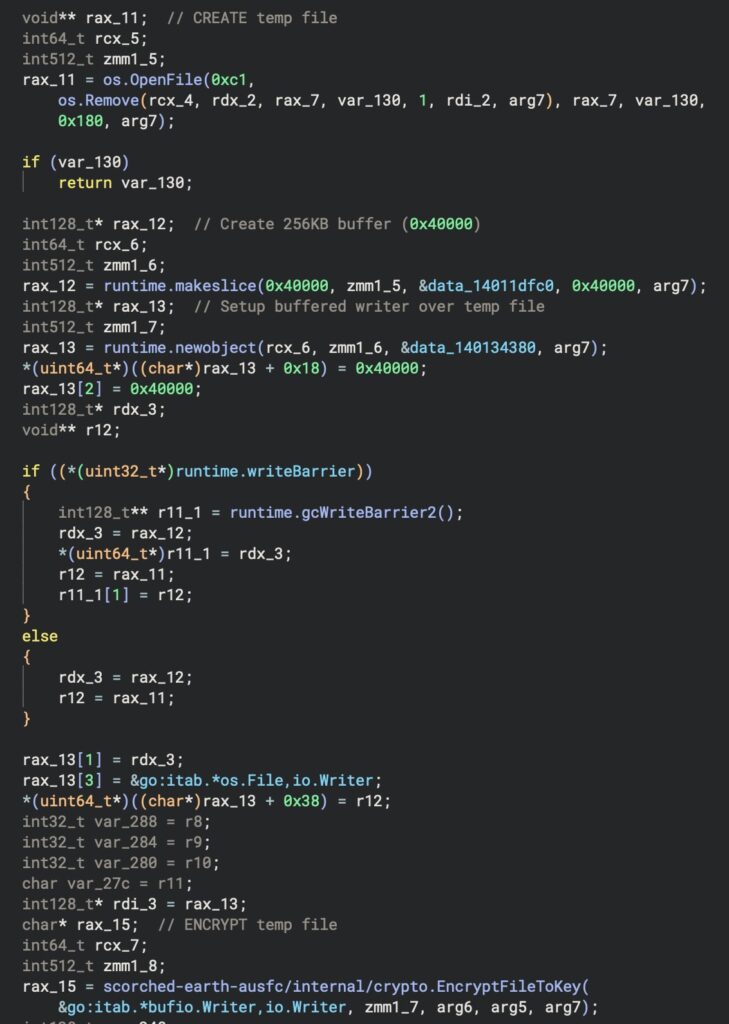
Prinz Eugen stands out because of how it selects files. Instead of encrypting files in a simple alphabetical order, the ransomware targets the most recently modified files first. That means active documents, current project files, fresh database exports, and recently updated business records may get hit early.
This approach increases pressure on victims because the affected files are often the ones teams need most urgently. If backups have not yet captured the newest versions, recovery becomes harder and business disruption becomes more severe.
BleepingComputer reported that Prinz Eugen does not currently appear to operate as a ransomware-as-a-service program. The operation looks more compact, with signs of a hands-on operator rather than a large affiliate ecosystem.
| Feature | Prinz Eugen behavior |
|---|---|
| Malware language | Go |
| Encrypted extension | .prinzeugen |
| File priority | Most recently modified files first |
| Ransom note | No ransom note written to disk |
| Encryption | ChaCha20-Poly1305 with per-file random values and 1 MB chunk processing |
| Post-encryption behavior | Key wiping, garbage collection, and self-deletion |
Attackers Used RemotePC and PowerShell
In the incident analyzed by ThreatDown, researchers suspect the attacker first gained access through compromised Remote Desktop Protocol credentials. The ransomware payload, named servertool.exe, was downloaded with Chrome and placed in the victim user’s Music folder.
The attacker then used RemotePC, a legitimate remote monitoring and management tool, to launch PowerShell stagers and pull additional payloads from attacker infrastructure. CISA, NSA, and MS-ISAC have previously warned that criminals abuse legitimate RMM software because it can look like normal IT administration activity.
The operator also created a local administrator account using a German-themed password. ThreatDown said that detail helped connect the intrusion to a broader naming pattern used by the actor across infrastructure, aliases, and earlier extortion activity.
No Ransom Note, More Forensic Pressure
Prinz Eugen does not drop a traditional ransom note. That removes one artifact that security teams often use to confirm ransomware deployment and identify the extortion channel.
Instead, communication appears to happen outside the encrypted system, such as through direct contact, leak sites, or other channels. That model can make the attack harder to detect during the extortion phase, especially if the encryption event finishes quickly and the malware deletes itself.
The ransomware also wipes its hardcoded encryption key from memory before exiting. That limits what forensic teams can recover after the fact and reduces the chance of recovering keys from memory snapshots.
Standard Bank Incident Brought Wider Attention
The first public report connected to the Prinz Eugen leak site appeared in mid-April 2026, when the operation was linked to the Standard Bank incident. ThreatDown later connected the broader activity to an actor using the ROOTBOY handle and the GERMANIA alias.
Standard Bank said the affected systems were internal administrative and document filing systems. The bank also said customer funds were not affected because transactional banking systems were not accessed.
According to ThreatDown, the Prinz Eugen victim set appears opportunistic and spans multiple countries and sectors. The leak site listed three victims at the time of the report, while the researchers also linked the actor to earlier data-sale activity involving other organizations.
Indicators Security Teams Should Watch
The most important indicators are tied to the ransomware payload, the encrypted file extension, the C2 infrastructure, and suspicious administrative activity. Organizations should use these indicators for defensive hunting, not as a substitute for broader behavioral monitoring.
| Type | Indicator | Defensive use |
|---|---|---|
| File name | servertool.exe | Search endpoint telemetry for suspicious execution |
| File extension | .prinzeugen | Identify encrypted files |
| SHA-256 | 686213cc11d36af764de824801bced9366dfca3823fe0d51b752f74149bcf1f4 | Hash-based detection of the analyzed payload |
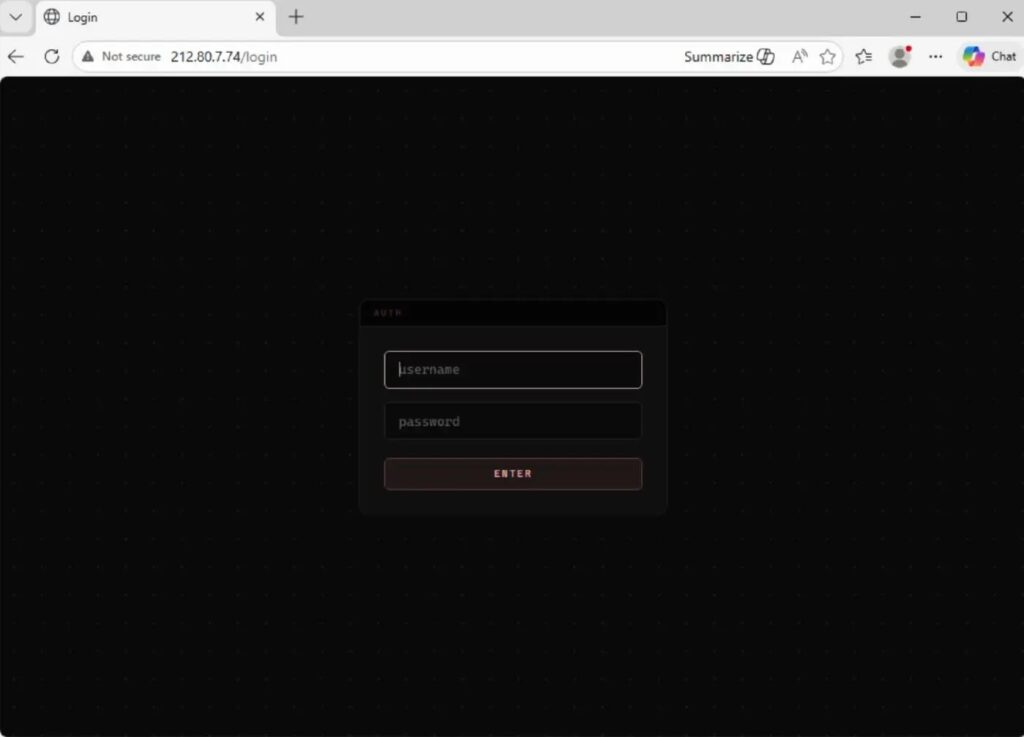
| IP address | 212[.]80[.]7[.]74 | Review historical connections and firewall logs |
| Domain | stndrdbnk[.]cc | Hunt for typosquat-related DNS activity |
| Domain | g-captchafestung[.]sbs | Review suspicious CAPTCHA or social engineering paths |
| Domain | festung-e[.]duckdns[.]org | Check dynamic DNS traffic from endpoints |
| RMM tool | RemotePC | Confirm whether use is authorized and expected |
How Defenders Can Reduce Risk
Security teams should focus on the behaviors that made this attack work: exposed RDP, abused RMM tools, PowerShell staging, suspicious account creation, and rapid file encryption.
The StopRansomware Guide recommends steps such as keeping offline backups, requiring multifactor authentication, securing remote access, and testing incident response plans. These controls matter because Prinz Eugen appears to rely on hands-on access before encryption begins.
The joint RMM security advisory also recommends auditing remote access tools, reviewing logs for abnormal RMM execution, and restricting remote management activity to approved tools and approved network paths.
- Disable exposed RDP wherever possible and require VPN or zero-trust access for remote administration.
- Enforce multifactor authentication on all remote access and administrator accounts.
- Audit all RMM tools and block unauthorized remote management software.
- Monitor PowerShell execution launched from RMM tools or unusual user sessions.
- Alert on new local administrator accounts, especially those created outside normal IT workflows.
- Keep immutable or offline backups and test restoration regularly.
- Detect mass file changes, new .prinzeugen files, and unusual encryption-like behavior.
Why RMM Abuse Remains a Ransomware Problem
RMM tools give IT teams legitimate remote control over endpoints. Attackers value the same capabilities because they can move files, run commands, deploy scripts, and maintain access without using obvious malware at every step.
That is why application inventory and behavioral detection are critical. An RMM tool should not be trusted simply because it has a legitimate vendor name. Security teams need to know who installed it, where it runs, what commands it executes, and whether its activity matches normal administration.
The CISA ransomware guidance also urges organizations to reduce the impact of ransomware by limiting lateral movement, securing credentials, and preparing recovery processes before an attack occurs.
Prinz Eugen Shows a Focused Ransomware Playbook
Prinz Eugen does not look like a noisy mass-market ransomware tool. It combines stolen remote access, legitimate management software, manual persistence, targeted encryption order, and out-of-band extortion.
That mix makes early detection especially important. By the time the encryptor runs, the attacker may already have access, tooling, persistence, and stolen data. Defenders should hunt for suspicious remote access activity before encryption starts.
The case also reinforces a broader ransomware trend. As BleepingComputer noted, attackers are increasingly using legitimate tools and living-off-the-land techniques to blend into enterprise environments. Prinz Eugen adds a more deliberate file-targeting strategy to that playbook.
FAQ
Prinz Eugen is a Go-based ransomware family that encrypts files, prioritizes recently modified data, appends the .prinzeugen extension, and uses out-of-band extortion instead of dropping a ransom note on disk.
In the incident analyzed by ThreatDown, researchers suspected initial access through compromised RDP credentials. The attacker also abused RemotePC RMM and PowerShell stagers during the intrusion.
Recently modified files are often active business documents, current databases, and fresh project files. Encrypting them first increases disruption and puts more pressure on victims to pay.
No. ThreatDown found no ransom note functionality in the analyzed sample. The operation appears to use direct contact, leak sites, or other out-of-band channels for extortion.
Organizations should secure RDP, require multifactor authentication, audit RMM tools, monitor PowerShell execution, alert on new local administrator accounts, keep tested offline backups, and hunt for the .prinzeugen extension and known indicators.


Read our disclosure page to find out how can you help VPNCentral sustain the editorial team Read more


Improve this guide


User forum
0 messages